How to Start Watching Classic Cinema Without Feeling Lost
Older films reward patience; a few simple habits make it easy to enjoy them from the very first watch.
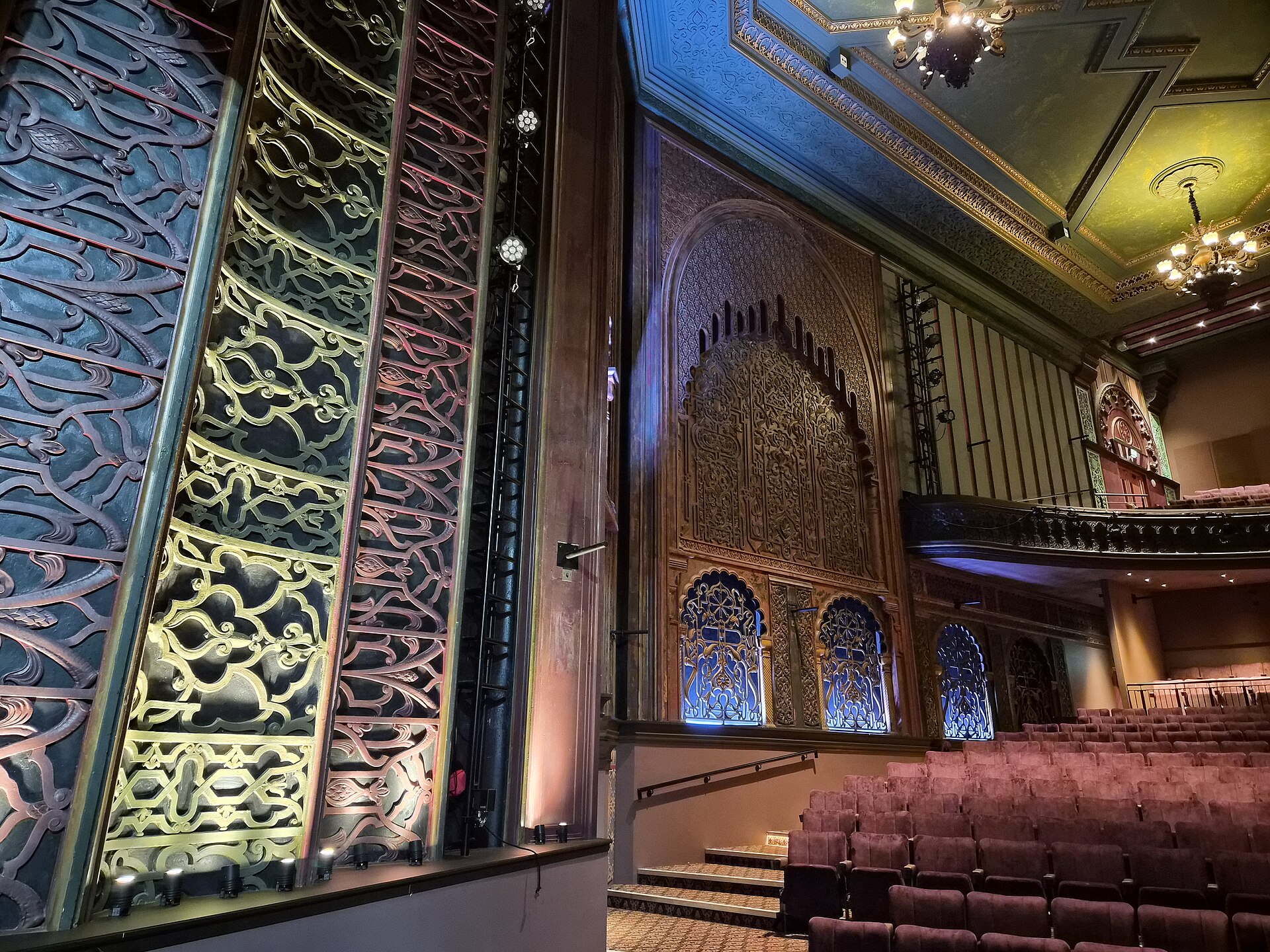
Many of us grew up hearing that old films were better, and many of us tried one, found it slow, and went back to something new. That reaction is natural. Classic cinema was made for different audiences, with different rhythms and technology. But once you learn how to approach it, a whole world opens up: performances built on expression, songs staged with imagination, and stories told with very little fuss. If you are curious about classic cinema, you do not need a film school course. You need a few easy habits.
Pick a first film that suits your taste
Do not begin with a famous film just because critics call it great. Begin with a genre you already enjoy. If you like comedies, look for classic comedies. If you like thrillers, find an older suspense film. Familiar genres give you something to hold on to while you adjust to the older style.
Choose something of manageable length and from a time you find interesting. It can be Hindi, Bengali, Tamil, Malayalam or any other language you follow. Watching films from your own language and region is often the gentlest introduction, because the culture and humour feel closer.
Adjust your expectations about pace
Modern films cut quickly, often every few seconds. Older films let a scene breathe. A conversation may be shot in a single long take. A song may take its time. This is not a flaw. It is a different way of building feeling.
Treat the first twenty minutes as a settling-in period. Put your phone away, dim the lights and watch as you would in a theatre. If you give a film that fair start and still feel nothing, it is perfectly fine to stop and try another. Taste is personal.
Learn to notice the craft
Part of the joy of old cinema is seeing how much was done with limited tools. Before cheap digital effects, filmmakers relied on careful planning. Watch for details.
- Lighting and framing. Notice how a face is lit, how a doorway frames a character, how shadows add mood.
- Sound and music. Songs and background scores often carry the story, not merely decorate it.
- Performance. Actors in many older films use voice, gesture and eyes in ways that feel theatrical but can be deeply moving.
- Set design. Look at costumes and interiors for a window into how people lived.
If subtitles are available, use them, even for a language you know. They help catch dialogue that older sound recording makes harder to hear.
Make it a habit, not a homework
Set a gentle rhythm, such as one classic film every weekend. Watch with family if you can. Older relatives often have memories attached to particular films or songs, and their stories add a lot to the experience.
Keep a small note of what you watched and one thing you liked. After a few weeks you will see what you respond to: a certain director, a certain decade, a certain kind of story. Follow that thread to your next film instead of working through a list of must-watch titles.
Where to find good films and how to read about them
Check legitimate streaming services, national film archive screenings, film society events and library collections, and respect the copyright of the makers. Many cities hold retrospectives where a classic is shown on a big screen, which is a special experience.
After watching, read a little about the film’s context, such as when it was made and what was happening in society then. Books and reputable film writing can deepen your enjoyment without spoiling it. Talk about the film with friends too. A conversation often reveals things you missed.
Whichever film you choose, be generous with the first viewing. Classic films often reveal more on a second watch, once you know the story and can concentrate on the craft and the small details of performance.
Classic cinema is not a test you must pass. It is a rich treasury you can explore at your own pace. Start with a genre you love, give the film a fair chance, notice the craft and enjoy the company of stories that have lasted for decades.
Related reading: How to Build a Streaming Watchlist You Will Actually Finish · How to Enjoy Regional Language Films When You Do Not Know the Language · How to Declutter Your Home Slowly Without Feeling Overwhelmed
Photo: Diomedes1962, Wikimedia Commons (CC0)