How to Declutter Your Home Slowly Without Feeling Overwhelmed
Decluttering works best in small steps. Here is a patient, practical way to clear space without turning your house upside down.
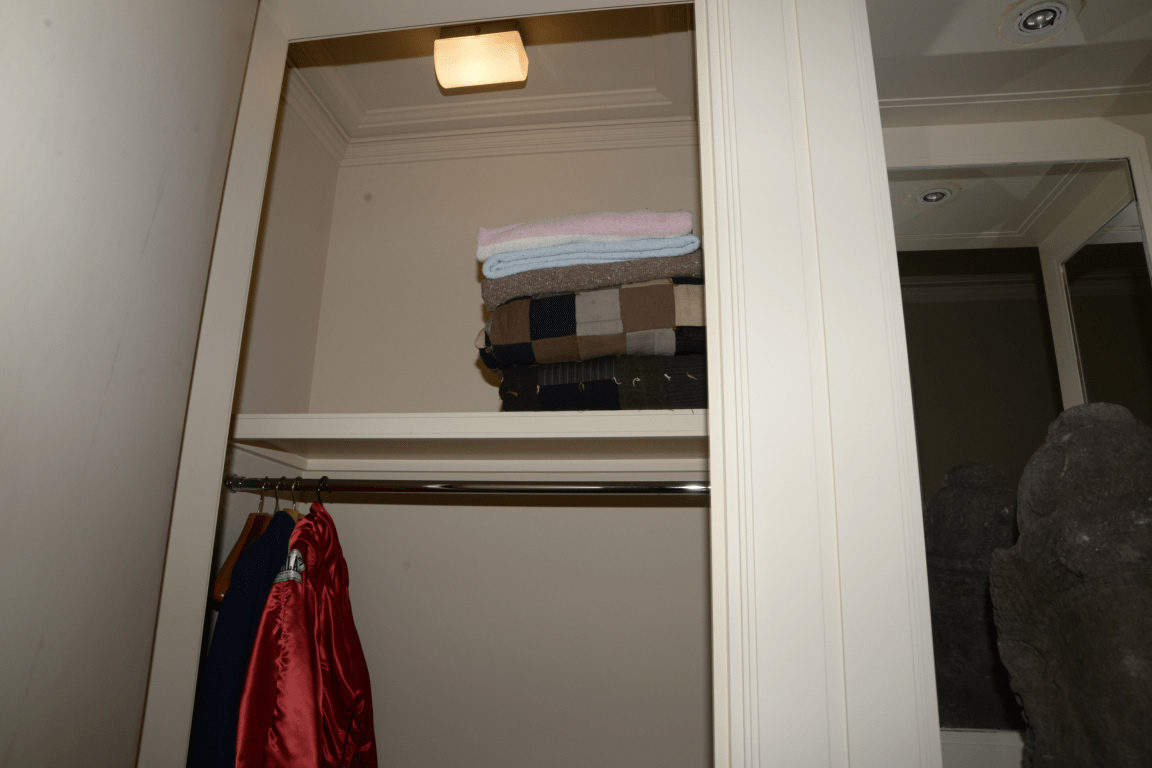
Open any cupboard in an Indian home and you will likely find a story: steel containers with no lids, saree boxes from a wedding ten years ago, school notebooks, spare cables and a bag of plastic bags. Stuff builds up quietly, and when we finally decide to declutter your home, the size of the job can feel too heavy to start. The way through is to go slowly. You do not need a free weekend or a dramatic clean-out. You need small, repeatable steps.
Why clutter feels so heavy
Clutter is not just about space. Every object in your house asks for a tiny bit of attention: to be dusted, moved, remembered or fixed. When there are too many, the attention adds up and the home feels tiring even when it is clean. Many of us also keep things out of habit, guilt or the thought that we might need them one day. Recognising these reasons makes it easier to let go without feeling harsh on yourself.
How to declutter your home: start small
Choose a place that is small and low-stakes, such as one drawer, one shelf or the top of the fridge. Set a timer for fifteen minutes and stop when it rings. Finishing a small area builds confidence, while starting with the entire bedroom usually ends in a bigger mess and a tired mind.
A simple order that works for many people:
- Start with things that are clearly rubbish: expired medicines, dried-up pens, broken chargers, old receipts.
- Move to the kitchen: lidless containers, mismatched cups, spices past their time.
- Then clothes, shoes and bags.
- Leave papers, photographs and sentimental items for later.
Use three simple piles
Take everything out of the chosen area and sort it into three groups: keep, give away, and discard. Do not create a fourth pile called “decide later”, because it turns into a new clutter corner. If you are truly unsure about something, put it in one box, write today’s date on it, and keep it for three months. If you have not opened the box by then, you probably do not need what is inside.
Questions that help you decide
- Have I used this in the past year?
- Would I buy it again today?
- Does it work, fit and look the way I want?
- Do I have another one that does the same job?
Handling clothes and kitchen items
Clothes are often the biggest source of guilt. Take out what you have not worn in a year, what no longer fits, and what you keep “for weight loss”. Be honest. Clothes that are in good condition can go to relatives, a domestic helper, a neighbourhood collection drive or a charity that you trust. Worn-out cloth can become cleaning rags.
In the kitchen, check steel and plastic containers and keep only those with matching lids. Old plastic boxes that have stained or smell strongly are better recycled. Keep a limited number of everyday plates and glasses, and put guest sets in a separate, easy-to-reach place so they do not crowd daily use.
Be gentle with sentimental things
Letters, children’s drawings, a parent’s old watch and wedding items carry emotion, and there is no rush to decide. Keep a single memory box for each person in the family, and let that box be the limit. Photographs of an object can sometimes hold the memory when the object itself takes too much space. If something belonged to a loved one and you feel pain thinking of letting go, keep it. Decluttering is meant to help you, not to erase your life.
Stop the clutter from coming back
Clearing is only half the work. A few habits keep the house lighter afterwards.
- Follow a one-in, one-out rule: when a new item comes in, an old one goes out.
- Give each category a fixed home so things have somewhere to return to.
- Pause before buying something because it is on sale, and ask whether you already have something like it.
- Do a ten-minute reset each evening to put things back.
It also helps to decide what to do with unwanted items quickly. Keep a bag near the door for things to give away, and take it out when it fills up. Otherwise the pile simply moves from the cupboard to the corridor.
Final thoughts
You do not have to turn your home into a bare, minimal space. The goal is a house where you can find things, move freely and feel at ease. Begin with one drawer this week, keep the pace slow and let the results encourage you. A little space, added bit by bit, is enough to change how a home feels.
Related reading: How to Plan a Monthly Household Budget That Actually Works · A Simple Morning Routine for Busy Indian Families · How to Start Watching Classic Cinema Without Feeling Lost
Photo: Federal Bureau of Investigation, Wikimedia Commons (Public domain)