How to Make a Realistic Study Timetable That You Can Follow
Build a study timetable that fits your real day, with breaks, buffers and room for revision, instead of one you abandon in a week.
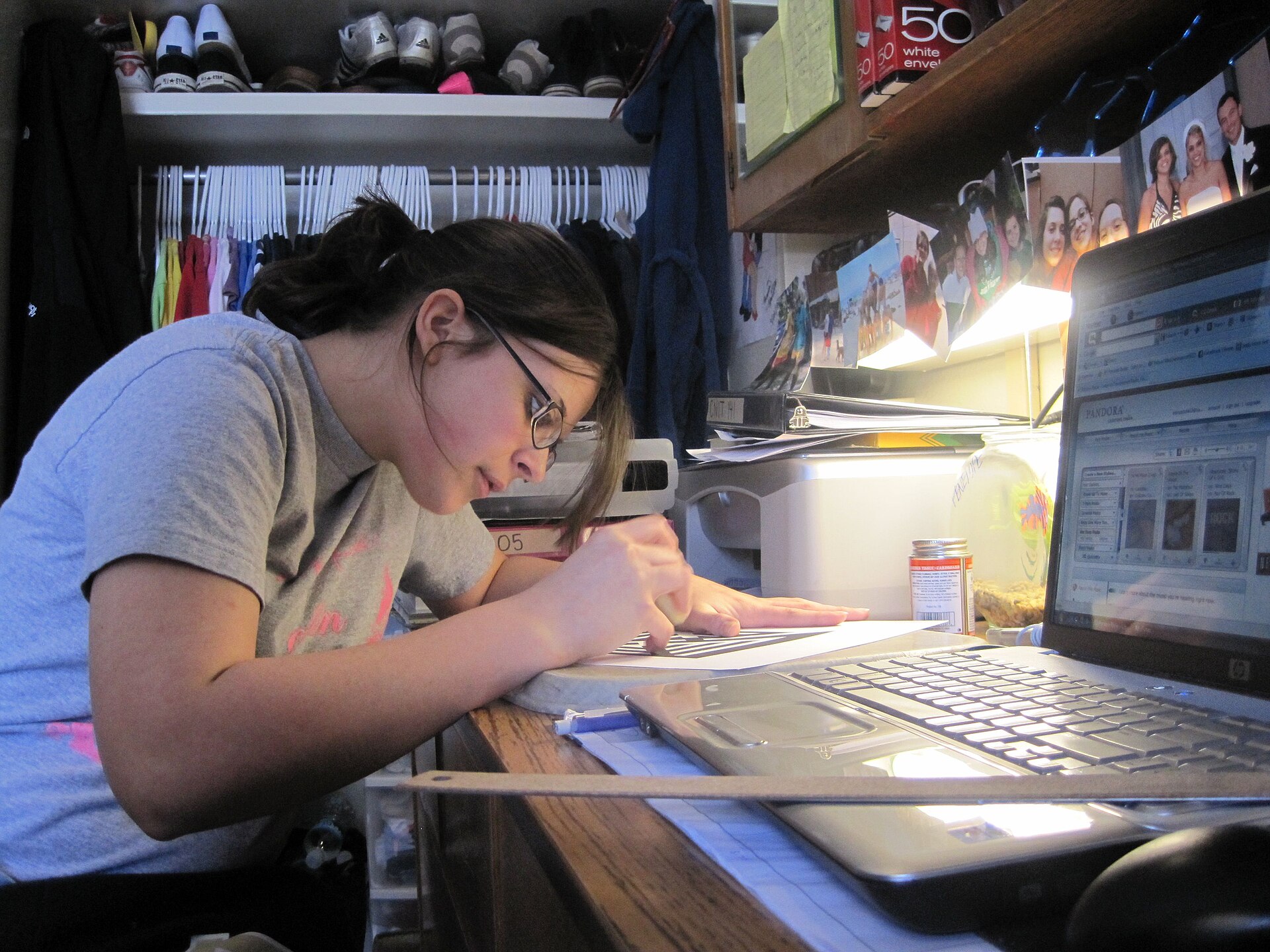
Almost every student has made a beautiful study timetable on the first day of a term, with colour-coded blocks from five in the morning till midnight. By the third day it is forgotten. The problem is rarely laziness. It is that the plan was built for an imaginary person with endless energy. Here is how to make one for the real you.
Start with your actual day
Before assigning any subjects, write down the fixed parts of your day: school or college hours, travel, meals, tuition, chores, prayers or exercise, and sleep. Whatever remains is your true study time. Many students are surprised to find that it is three or four hours on a regular day, not eight.
That number is not a failure. Three focused hours beat eight distracted ones. It simply tells you that your plan must be selective.
Decide what needs the most attention
List your subjects and mark each one honestly as strong, average or weak. Give the weaker ones more time, but do not drop the strong ones entirely, since a little regular practice keeps them strong. You can also rank topics by exam weightage if your syllabus or past papers show it.
Then break each subject into small, concrete tasks, such as “solve ten problems from chapter 4” instead of “study maths”. A vague task makes it easy to sit for an hour and achieve nothing. A specific task makes it obvious when you are done.
Build the study timetable in simple blocks
Use sessions of 40 to 50 minutes
Most people concentrate well for about this long. Follow each session with a break of five to ten minutes. Stand up, drink water, look out of the window and avoid picking up your phone, because five minutes can easily turn into thirty.
Match difficult work to your best hours
Some students think clearly in the early morning, others late in the evening. Notice when you feel most alert and put your hardest subject there. Use tired hours for lighter jobs such as copying neat notes, revising formulas or organising your files.
Mix subjects
Studying the same subject for three hours straight is tiring. Alternating between, say, mathematics and a language keeps your mind fresher.
Add buffer time
Leave one or two empty slots each day for tasks that overrun, or for unexpected guests and power cuts. A timetable with no slack breaks at the first interruption.
Plan for revision from the beginning
Revision is not something to squeeze in during the final week. Put a short review block into your daily routine, where you look back at what you learned that day, and a longer weekly review for the whole week. Revisiting material at spaced intervals helps it stay in memory far better than reading it once.
Keep one half day a week, possibly Sunday, lighter. Use it to catch up on anything missed, and to rest. Rest is part of the plan, not a reward for finishing it.
Practical tips to make it stick
- Write the timetable on paper and put it where you see it, such as above your desk.
- Prepare tomorrow’s top three tasks at night, so that you begin without hesitating.
- Keep your phone in another room during sessions, or at least switch on silent mode.
- Protect your sleep. Staying awake late to study tends to reduce what you remember the next day.
- Eat proper meals and drink enough water. A hungry brain works poorly.
- Tick off tasks as you finish them. The small sense of progress is motivating.
Review and adjust every week
No timetable is correct on the first try. At the end of each week, look at what worked. Did you consistently skip the evening slot? Move it. Did a subject need more time than planned? Adjust. Think of the timetable as a draft that improves with feedback, rather than a rule that you either obey or fail.
If you miss a day, do not try to repay all the lost hours at once. Simply continue with the next day’s plan. Guilt wastes more time than the missed session did.
A good timetable is modest, specific and flexible. It begins with the hours you truly have, gives difficult subjects your best energy, includes breaks and revision, and changes when real life demands it. Build one you can follow on an ordinary Tuesday, and consistency will do the rest.
Related reading: Note-Taking Methods That Help You Understand and Remember · Active Recall: A Better Way to Revise Than Re-Reading · How to Price Your Services Without Underselling Yourself
Photo: English106, Wikimedia Commons (CC BY 2.0)