What Is Inflation and Why Do Prices Keep Rising?
A plain-language look at what inflation means, how it is measured in India, and what it does to your savings and expenses.
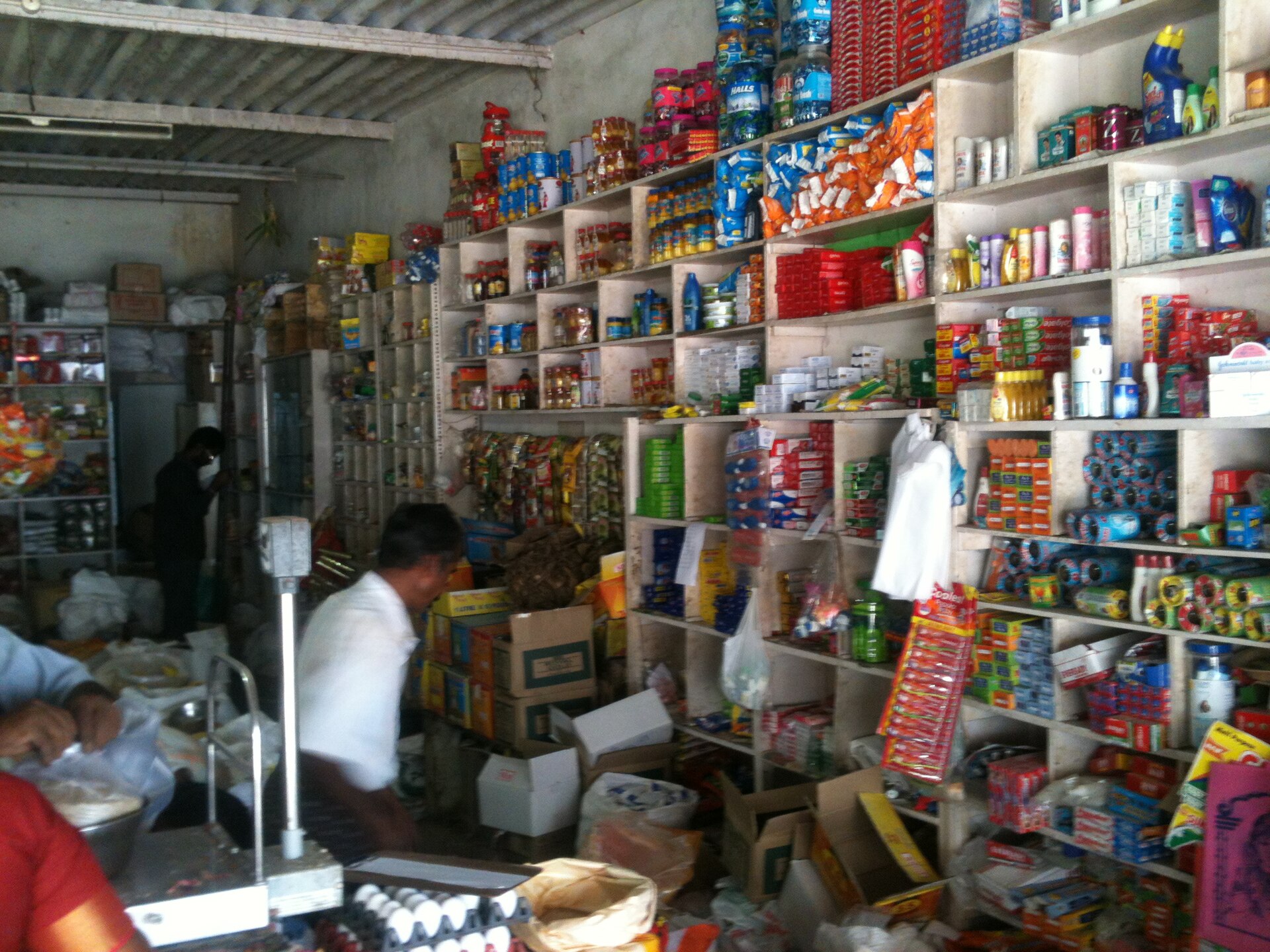
Here is inflation explained the way most of us notice it: the same Rs 500 note buys fewer vegetables than it did a few years ago. Behind that everyday feeling is a measurable idea that governments and central banks track closely. Here is what inflation means, how it is measured and what you can reasonably do about it.
Inflation explained: what it actually means
Inflation is the general rise in prices over time, which reduces the purchasing power of money. It does not mean every price rises at once. Some things get cheaper while others become costlier, and inflation is about the overall average movement across a basket of goods and services.
A small, steady level of inflation is common in growing economies. Trouble begins when prices rise very fast, because wages and savings cannot keep up, or when prices fall persistently, which can discourage spending and investment.
How inflation is measured in India
The main measure is the Consumer Price Index, or CPI. Statisticians collect prices of many items that households typically buy, such as food, clothing, housing, fuel, transport, education and healthcare, and give each a weight based on how much households spend on it. Food has a large weight in India, which is why vegetable and cereal prices can move the headline figure quite sharply.
There is also the Wholesale Price Index, which tracks prices at the wholesale level rather than what consumers pay. The Reserve Bank of India focuses on CPI inflation when setting its policy, and it works with a target of 4 percent with a tolerance band of 2 to 6 percent.
Why prices rise
Demand pulls prices up
When people want to buy more than the economy can supply, sellers can raise prices. This might happen when incomes grow quickly or credit is cheap and plentiful.
Costs push prices up
When the cost of fuel, raw materials, transport or wages increases, producers often pass part of it on to buyers. A poor monsoon that damages crops, or a global rise in crude oil prices, are common examples.
Expectations and currency
If people expect prices to keep rising, they may demand higher wages and businesses may raise prices early. A weaker rupee also makes imported goods, including oil and electronics, costlier.
How the central bank responds
The Reserve Bank of India’s main tool is the repo rate, the rate at which it lends to banks. When inflation runs high, it can raise this rate. Loans become costlier, so people and businesses borrow and spend less, and price pressure may ease. When inflation is low and growth needs support, it can cut the rate. This is a slow lever, though, and it cannot fix a vegetable shortage caused by unseasonal rain.
What it means for your own money
Inflation quietly eats into cash. If your savings earn 3 percent while prices rise 6 percent, your money buys less each year even though the balance increases. Some practical habits help:
- Keep an emergency fund in a safe, accessible place, but avoid holding all your savings in low-interest accounts for years.
- Compare the return on any deposit or investment with current inflation, not only with the headline interest rate.
- Track your own household inflation. Your personal rate depends on what you buy, and a family with school-going children may feel it differently from a retired couple.
- Review recurring expenses such as subscriptions and insurance once a year.
- Be cautious with anyone promising returns far above the market, since such promises are a frequent sign of fraud.
For investment decisions, a registered financial adviser can help you understand options suited to your situation.
Who gains and who loses
People with fixed incomes, such as pensioners, are hit hardest, because their income does not rise with prices. Borrowers with fixed-rate loans can benefit, since they repay with money that is worth less. Those who own assets whose value rises with prices, such as property, may also do better. These effects differ widely from person to person.
Inflation is the slow loss of money’s buying power, measured through a basket of everyday goods and managed by policy. You cannot control it, but you can understand it, watch your own spending, and make sure your savings are working at least as hard as prices are rising.
Related reading: How Opinion Polls Work and Why They Sometimes Get It Wrong · How to Spot Fake News in Forwards and Social Media Posts · Choosing a Sport for Your Child: A Parent's Guide
Photo: Ask27, Wikimedia Commons (CC BY-SA 3.0)