Simple Ways to Manage Daily Stress in Everyday Life
Stress cannot be removed entirely, but small habits can make it lighter. Here are practical ideas that fit into real life.

Deadlines, household responsibilities, rising prices, family expectations and the endless stream of news: stress has many sources, and few of us escape it completely. A little stress can even help us stay alert. But when it stays for weeks, it may affect sleep, mood, digestion and relationships. Learning to manage daily stress does not mean removing all problems. It means building small habits that help your body and mind recover.
Notice how stress shows up for you
Stress looks different in different people. You may notice a tight jaw, headaches, a racing heart, a stomach upset, trouble sleeping, irritability, forgetfulness or a feeling of dread. Some people eat more, others lose appetite, and some withdraw from friends. Spotting your own early signs gives you a chance to act before things pile up. A few moments of asking, “What am I feeling, and what is behind it?” can help.
Quick tools for a stressful moment
When tension rises, a few simple methods can calm the body.
Slow breathing
Breathe in gently through your nose for about four counts, and breathe out slowly for six counts. Repeat for a few minutes. Longer exhales tend to help the body relax. Sit comfortably, relax your shoulders and keep your attention on the breath.
Grounding
Look around and name five things you can see, four you can touch and three you can hear. This brings your attention back from worries to the present moment.
A short pause
Step away from your desk, drink water, wash your face or stand by a window. Even two minutes of pause between tasks can stop stress from building up through the day.
Everyday ways to manage daily stress
Quick tools help in the moment, but the daily basics shape how well you cope in the long run.
- Sleep: a regular sleep schedule makes everything feel more manageable.
- Movement: walking, yoga, dancing or any activity you enjoy helps release tension.
- Food: regular meals with vegetables, fruits, pulses and enough water help your energy. Heavy reliance on caffeine, sugar or tobacco may worsen anxiety.
- Sunlight and fresh air: a few minutes outside, even on a balcony, can lift your mood.
- Time for joy: music, gardening, cooking, prayer, a hobby or play with children are not wasted time.
Handle workload and relationships
Much stress comes from having too much to do and too little say in it. Write down everything on your mind, then pick the top two or three tasks for the day. Break large jobs into small steps. Learn to say no politely when you are already stretched, and ask for help at home or work instead of carrying everything alone. Setting limits, such as not answering work messages late at night, protects your rest.
Talking helps. Share your worries with a friend, a family member or a mentor you trust. Often, simply being heard eases the weight. Spend time with people who leave you feeling supported, and try to resolve conflicts through calm conversation rather than letting resentment grow. Limiting the amount of distressing news and social media you take in during the day can also reduce anxiety.
When stress needs more support
Stress is a normal part of life, but it should not be endured silently if it becomes too heavy. Reach out to a doctor or a qualified mental health professional if you feel hopeless, constantly anxious, cannot sleep for weeks, lose interest in things you used to enjoy, have panic attacks, use alcohol or other substances to cope, or have thoughts of harming yourself. In an emergency, contact local emergency services or a helpline immediately. Asking for help is a sign of strength, and effective treatment and counselling are available. This is general wellness information and not a substitute for medical advice, so please consult a doctor for personal concerns.
You cannot remove every pressure, but you can change how you meet it. Use breathing and short pauses in the moment, protect your sleep, move your body, share your worries and set limits where you can. Choose one small habit to begin this week, and let the calm grow from there.
Related reading: Better Sleep Habits for Tired Adults: A Gentle Guide · Daily Walking: Benefits and How to Start Without Pressure · Active Recall: A Better Way to Revise Than Re-Reading
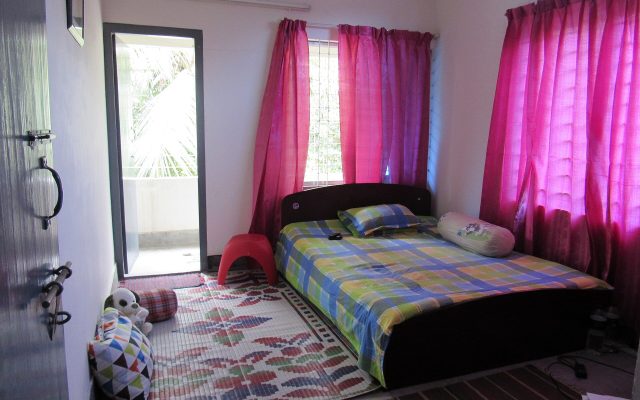
Photo: Michal Klajban, Wikimedia Commons (CC BY-SA 4.0)