How to Stay Hydrated During the Indian Summer
Summer heat drains the body faster than we realise. These simple habits help you keep your fluids up and avoid heat trouble.
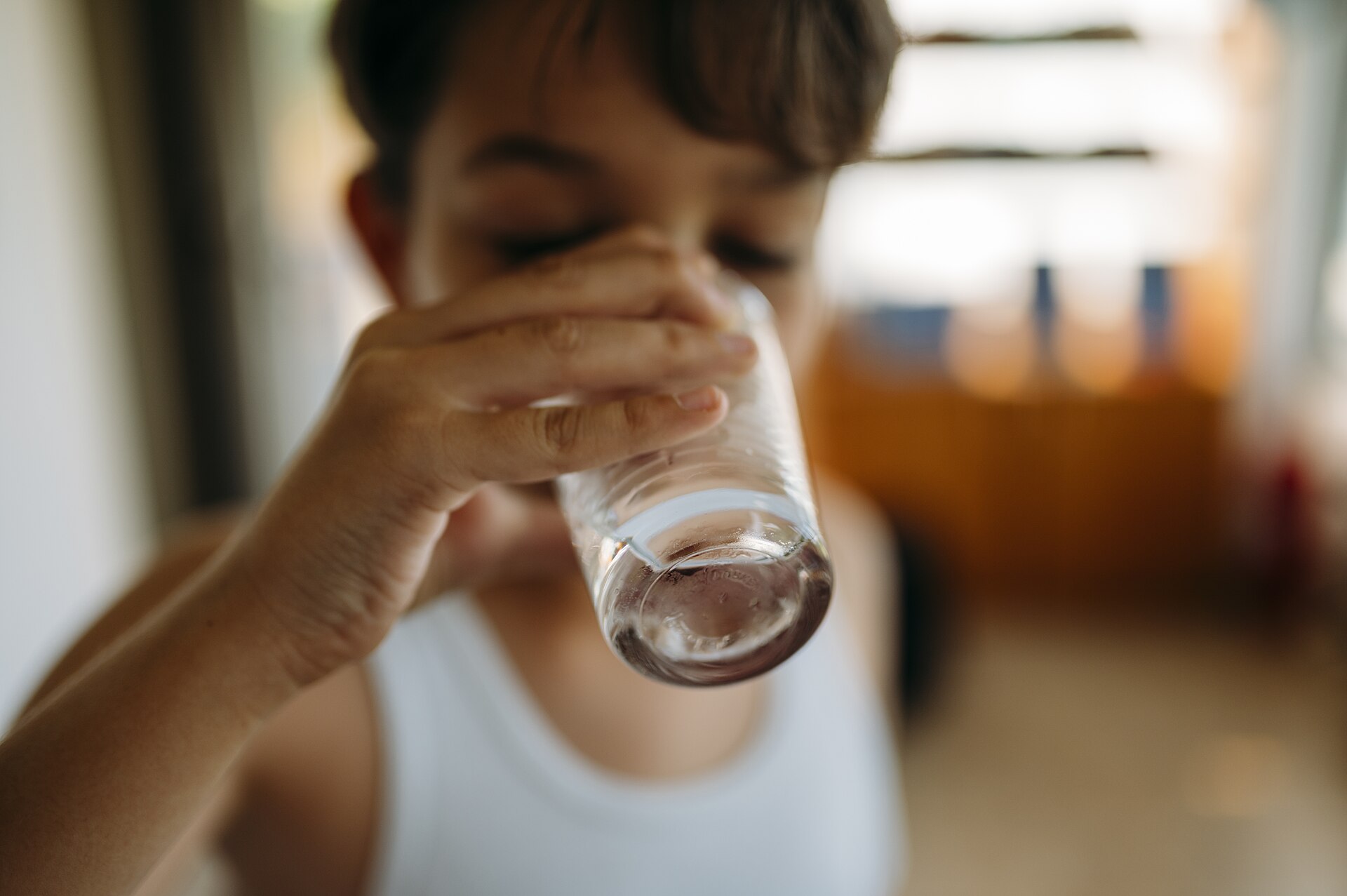
When the temperature rises and the afternoons turn heavy, most of us reach for a cold drink without thinking much about it. But our bodies lose water through sweat, breath and urine all day, and in the Indian summer that loss can be much higher. Learning how to stay hydrated is one of the easiest ways to feel better, work better and avoid heat-related illness. It does not need special products, only a few steady habits.
Why hydration matters
Water helps regulate body temperature, carries nutrients, supports digestion and keeps joints and skin comfortable. When you lose more fluid than you take in, you may feel tired, get headaches, feel dizzy or find it hard to concentrate. Along with water, sweating also removes salts, which is why plain water alone is not always enough on very hot days or after heavy sweating.
How much should you drink
There is no single number for everyone. Needs depend on your age, weight, activity, health conditions and the weather. Many healthy adults do well with roughly two to three litres of fluids a day, including water, buttermilk, juices and the water in food, and more if they are outdoors, exercising or sweating a lot. A better guide than counting glasses is the colour of your urine: pale yellow is generally a good sign, while dark yellow suggests you need more fluids.
Do not wait until you are very thirsty. Thirst is a signal that you are already a little low, so sip regularly through the day.
Easy ways to stay hydrated every day
- Keep a bottle or a steel glass within reach at your desk, in your bag and by the bedside.
- Begin the morning with a glass of water.
- Drink a glass before and after meals, and sip during outdoor work or travel.
- Carry water when you step out, especially with children and older relatives.
- Set small reminders on your phone if you often forget.
Traditional drinks that help
Many familiar home drinks suit the season well. Buttermilk or chaas, coconut water, lemon water with a pinch of salt and sugar, and water kept in a clay pot are all popular and refreshing. Fruit drinks such as aam panna or kokum sherbet are also loved in summer, though they can be high in sugar, so prepare them with moderation, especially if you have diabetes.
Eat your water
Foods with a high water content add to your daily fluids. Watermelon, muskmelon, cucumber, oranges, sweet lime, tomatoes and curd are good choices. Fresh seasonal fruits and light, home-cooked meals are generally better than oily, heavy food in the heat.
Drinks and habits to be careful about
Too much tea, coffee, and carbonated or packaged sweet drinks can add sugar and caffeine without helping much with hydration. Alcohol can dehydrate you. Ice-cold water on a very hot day may feel good but may upset some stomachs, so cool or room-temperature water can be gentler. Whatever you drink, make sure it is clean. Use boiled, filtered or otherwise safe water, and be cautious with roadside ice and open juice, as contaminated water can cause stomach infections that make dehydration worse.
If you wear dark, tight, synthetic clothes in the heat, you will sweat more. Light-coloured, loose cotton clothing, a cap or a scarf, and avoiding the midday sun between roughly 12 and 4 in the afternoon, when you can, will lower your fluid loss.
Know the warning signs and who needs extra care
Early signs of dehydration include thirst, a dry mouth, dark urine, headache, tiredness and dizziness. More serious signs include confusion, very little urine, a rapid heartbeat, fainting, vomiting or a very high body temperature with hot, dry skin. These need urgent medical attention.
Children, older adults, pregnant women, outdoor workers and people with conditions such as diabetes, kidney or heart problems are more at risk. Older people may not feel thirsty as strongly, so gently remind them to drink. Anyone who has been told by a doctor to limit fluids must follow that advice rather than the general tips here.
For diarrhoea, vomiting or fever, oral rehydration solution (ORS) is useful, and it is widely available. Follow the instructions on the packet and see a doctor if symptoms continue. This is general wellness information and not a substitute for medical advice, so please consult a doctor for personal concerns.
Staying hydrated is mostly about regular sips, sensible food, clean water and some caution in the midday sun. Make it easy by keeping water close by, choose home drinks over sugary ones, and watch the people around you. A few small habits will help you get through the hot months in comfort.
Related reading: Daily Walking: Benefits and How to Start Without Pressure · Desk Job and Back Pain: Simple Ways to Ease the Strain · How Opinion Polls Work and Why They Sometimes Get It Wrong
Photo: Shixart1985, Wikimedia Commons (CC BY 2.0)