Desk Job and Back Pain: Simple Ways to Ease the Strain
Long hours at a desk take a toll on the back. A few small changes to posture and movement can bring real relief.
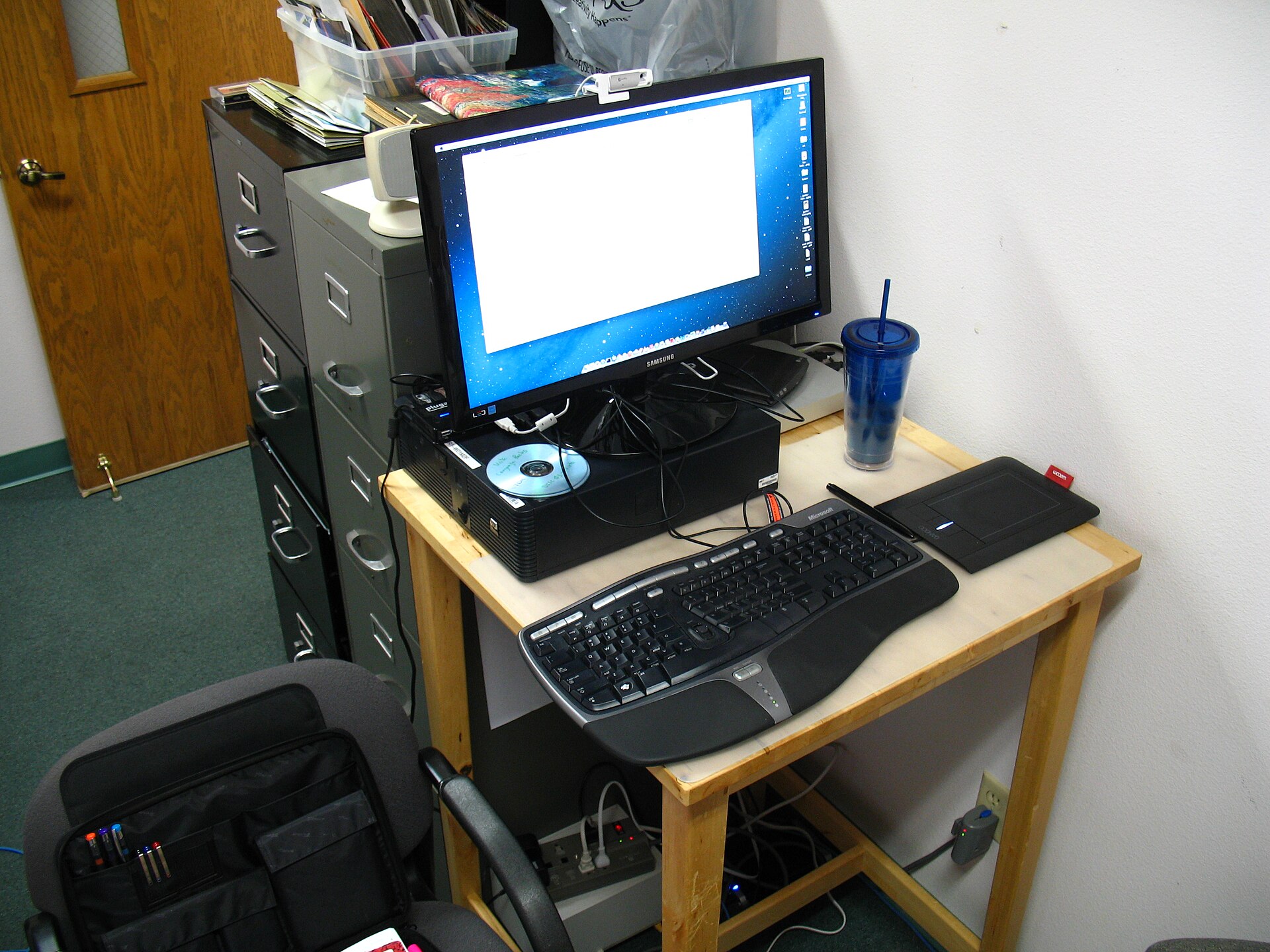
If you spend most of your day in front of a computer, you probably know the feeling: a dull ache in the lower back by afternoon, a stiff neck, tight shoulders. Back pain from a desk job is very common, and it often builds slowly from long hours of sitting in one position. The good news is that small changes to how you sit, move and set up your workspace can make a noticeable difference. This is general wellness information, not a diagnosis.
Why back pain from a desk job happens
The body is made to move. When you sit for hours, the muscles supporting your spine tire, the hip muscles become tight and you tend to slump forward without noticing. Leaning towards the screen puts extra strain on the neck and upper back. Stress can also tighten the shoulders. Pain may come from any of these factors, and often from a combination of them.
Set up your desk to support you
Small adjustments to your workspace reduce strain without much cost.
- Chair: sit back so that your lower back is supported. A small rolled towel or cushion behind the lower back can help if your chair lacks support.
- Feet: keep them flat on the floor, or on a footrest or a firm box, with knees roughly level with your hips.
- Screen: place the top of the monitor at about eye level and an arm’s length away, so you are not bending your neck.
- Keyboard and mouse: keep them close, with elbows bent comfortably near your sides.
- Laptop: use a stand or a stack of books with a separate keyboard, since a laptop on the desk pulls your head down.
Sit well, but do not freeze
There is no single perfect posture that you can hold for hours. The best posture is the next one. Change your position often, sit back, shift your weight and avoid crossing your legs for long periods.
Move often through the workday
Regular movement may matter more than any chair. Try to stand up and move for a couple of minutes every 30 to 45 minutes. You can set a timer on your phone or computer.
- Walk to fill your water bottle or take a call while standing.
- Use stairs instead of the lift when you can.
- Walk to a colleague instead of sending a message.
- Stand and stretch during tea breaks and, if possible, take lunch away from your desk.
If your workplace allows it, a standing desk or a high table for part of the day gives variety, though standing still all day has its own problems. Alternating works best.
Gentle stretches you can try
Do these slowly and stop if you feel sharp pain.
Neck and shoulders
Drop your ear towards your shoulder and hold for 15 to 20 seconds on each side. Roll your shoulders backwards a few times, and gently squeeze your shoulder blades together.
Back and hips
While seated, place your hand on the opposite knee and turn gently to look behind you, holding briefly on each side. Standing, place your hands on your lower back and lean slightly backwards. Stretch the front of your hips by stepping one foot behind you in a gentle lunge, holding on to something steady.
Strength helps
Strong core and back muscles protect your spine. Regular walking, swimming, yoga or simple strengthening exercises taught by a qualified trainer or physiotherapist can help. Start gently and build up gradually.
Other habits and when to seek help
Sleep on a reasonably firm mattress in a comfortable position, lift heavy objects by bending your knees rather than your back, and carry your bag evenly instead of on one shoulder. Maintaining a healthy weight and managing stress also help the back.
Many aches ease with movement and better habits. But see a doctor if your pain is severe, lasts more than a few weeks, follows an injury, or comes with numbness, tingling or weakness in the legs, trouble controlling the bladder or bowels, fever or unexplained weight loss. Do not rely on painkillers or strong massages without advice. This is general wellness information and not a substitute for medical advice, so please consult a doctor for personal concerns.
Your back does not need perfection, only variety and care. Adjust your desk, change positions often, move every half hour and strengthen your body over time. Small changes made consistently can make the working day much more comfortable.
Related reading: How to Stay Hydrated During the Indian Summer · Better Sleep Habits for Tired Adults: A Gentle Guide · Writing a Simple Business Plan on Just Two Pages
Photo: Luke Jones from Anchorage, Wikimedia Commons (CC BY 2.0)