How to Make South Indian Filter Coffee at Home
A simple guide to brewing frothy South Indian filter coffee at home with a traditional steel filter.
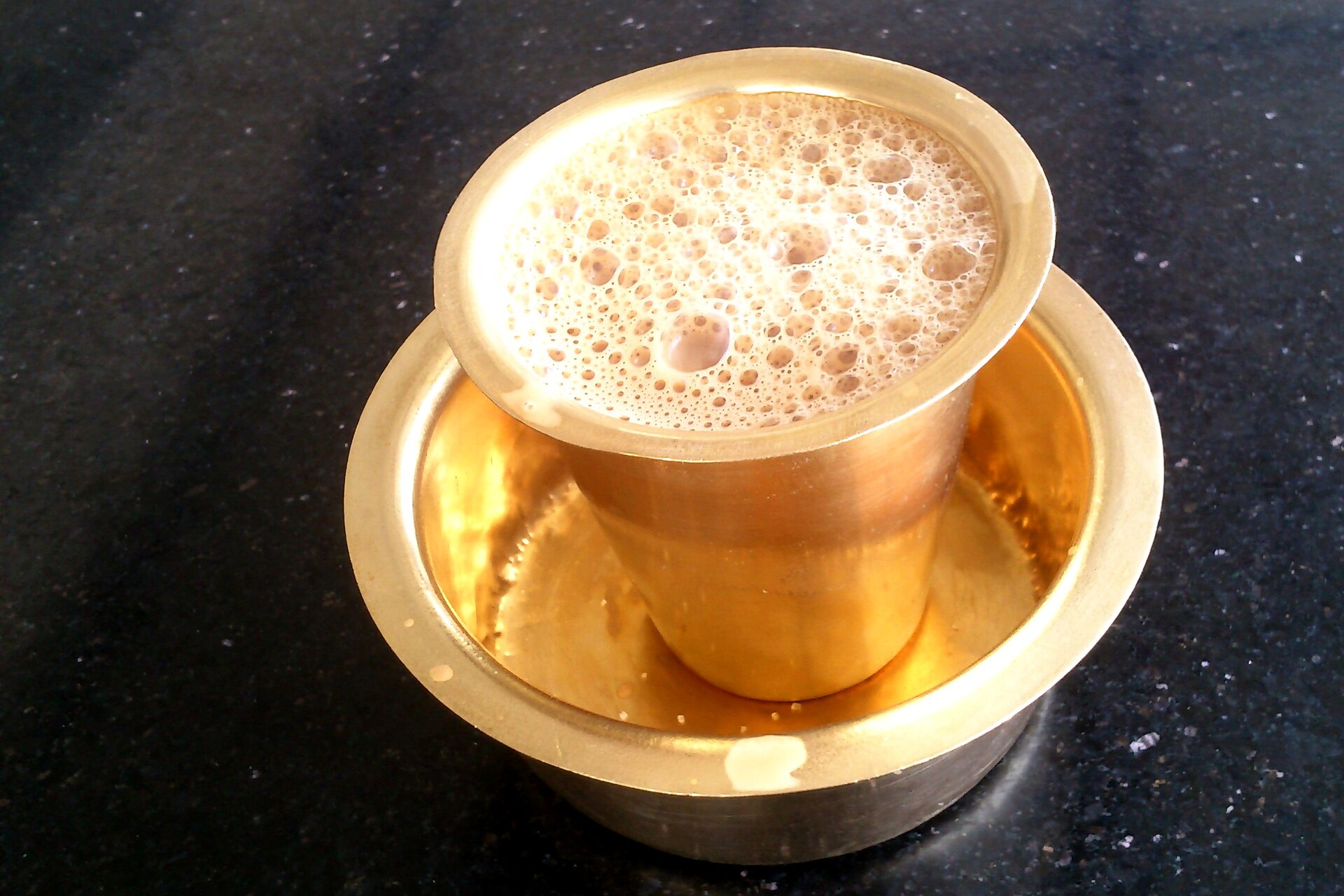
Walk into any home in Chennai, Madurai or Bengaluru in the early morning and you will likely hear the soft drip of a decoction filter. Filter coffee is more than a drink in the south; it is a ritual. The good news is that you do not need a special kitchen or years of practice. With a traditional steel filter and a bit of patience, you can make a really good cup at home.
What you need for filter coffee
The classic setup is a two-chamber steel filter with a pressing disc, the upper one holding coffee powder and the lower one collecting the decoction. You will also need a steel tumbler and a wider bowl called a davara, a small saucepan, fresh milk and sugar.
For the coffee itself, many households use a blend of roasted coffee and chicory. A common ratio is around eighty percent coffee and twenty percent chicory, though people argue happily about it. Chicory gives body and a slightly bitter depth. If you prefer a cleaner, brighter flavour, use pure coffee. Buy it freshly ground, in small quantities, and store it in an airtight container away from light and moisture.
Making the decoction
Boil water first and let it come off the boil for a minute. Add about two heaped tablespoons of powder to the upper chamber for two cups of strong decoction. Level it gently, place the pressing disc on top without squeezing hard and pour a little hot water to dampen the powder. Wait half a minute, then pour in the rest of the water slowly.
Cover the filter and leave it. The decoction will drip through slowly, often taking fifteen to twenty minutes. If it drips too fast, your powder may be too coarse. If it barely moves, it might be too fine or pressed too tightly. Adjust next time, and notice how small changes alter the flavour.
- Use fresh, hot water, not boiling-hot water straight from the flame.
- Do not stir or press the powder, since this clogs the filter.
- Wash the filter well after each use, because old oils turn bitter.
- Make the decoction in the morning and use it the same day.
Milk and sugar
Filter coffee is traditionally made with full-cream milk, heated until it is hot and slightly creamy. Many families use roughly equal amounts of milk and decoction, though you can make it stronger or lighter. Pour decoction into the tumbler first, add sugar and then hot milk. Taste, then adjust. Sugar levels are personal, so start small and add more if needed.
Always heat the decoction gently if you need to reheat it. Boiling it hard can destroy its aroma. Heating the milk until it is steaming rather than boiling over gives the best texture.
The pour and the froth
The glory of filter coffee is the froth. Hold the tumbler in one hand and the davara in the other and pour the coffee from a height between them, back and forth. It cools the drink to a drinkable temperature and aerates it, giving it a soft, foamy top. Start with short pours and slowly lengthen your arm. Do it over a sink the first few times, and you will soon find your rhythm.
Troubleshooting
If your coffee tastes weak, add more powder or reduce the milk. If it tastes harsh, the water may have been too hot or the decoction left too long. If there is no froth, make sure the coffee is hot and the pour is confident. A flat cup is still a decent cup.
A few serving ideas
Serve it with idlis, medu vada or a simple plate of crisp murukku. Many people enjoy a small cup after a meal as well. If you like it less sweet, try jaggery or reduce sugar gradually. Some people also drink the decoction with hot water instead of milk, which is a lighter option.
Remember that coffee contains caffeine. If you are sensitive, pregnant or advised to limit caffeine, keep to a smaller cup and speak to your doctor about what suits you.
Conclusion
Good filter coffee is a lesson in patience. A steel filter, fresh powder, hot milk and a few minutes of waiting give you something no instant mix can match. Keep notes on how much powder, how much water and how much milk make your perfect cup, and soon the ritual will belong to your home as well.
Related reading: Weekly Meal Prep for the Indian Kitchen: A Beginner's Plan · Crispy Pakora Tips for Rainy Evenings · Cash Flow Habits Every Small Business Owner Should Build
Photo: Pranchiyettan, Wikimedia Commons (CC BY-SA 2.5 in)