Cash Flow Habits Every Small Business Owner Should Build
Many healthy small businesses fail because cash runs out first; these habits help you see trouble before it arrives.
A tailor in a small town can have a full order book and still be unable to pay her cloth supplier on time. The reason is usually timing: money goes out before money comes in. Cash flow management is the habit of watching that timing, and it matters more to small businesses than almost any other skill. Profit tells you whether the business makes sense. Cash tells you whether it can survive next month.
Know the difference between profit and cash
Profit is what remains after costs are subtracted from sales. Cash is what is actually in your hand or bank account today. They differ because of credit. If you sell goods on thirty days’ credit, the sale counts as revenue today but the money arrives later. Meanwhile your wages, rent and electricity bills still fall due on their usual dates.
Once you accept this, you start asking a better question. Not just how much did I earn, but when will it arrive and when must I pay.
Build a simple weekly cash forecast
You do not need software. A notebook or a basic spreadsheet is enough. Write the next eight to twelve weeks across the top. Under each week, list the money you expect to receive and the money you must pay. Subtract to see your expected balance at the end of each week.
Be honest with the receipts. If a customer usually pays late, put the money in the week you realistically expect it, not the week it is due. Update the sheet every week with what actually happened. After a couple of months you will see your own patterns, such as a slow stretch after festivals or a rush of expenses at the start of the school year.
Speed up what comes in
Small changes in how you collect money can free up a lot of cash.
- Invoice immediately. Delays in sending bills are delays in being paid.
- State payment terms clearly. Put the due date on the bill and mention it when you take the order.
- Ask for an advance on larger orders. Even a part payment of a quarter or a third reduces your risk.
- Follow up politely and early. A friendly reminder a few days before the due date works better than an awkward call a month after.
- Offer easy digital payment options. Bank transfers and UPI shorten the gap between billing and money in the bank.
Be careful with what goes out
Separate fixed costs, such as rent and salaries, from flexible ones, such as stock top-ups and marketing. In a tight month, flexible costs are where you have room to move. Negotiate longer payment terms with suppliers where the relationship allows it, but do not stretch them so far that you damage trust.
Avoid tying too much money in stock. Goods sitting on a shelf are cash that cannot be used. Buy what you reasonably expect to sell in the near term, and review slow-moving items regularly. Also keep business and personal money in separate accounts, so that household spending does not quietly drain the business.
Keep a cushion for bad weeks
Every business has uneven months. A reserve equal to even one or two months of fixed costs gives you room to breathe if a big customer is late or the season turns slow. Build it gradually by setting aside a small fixed percentage of every sale, in a separate account you do not touch for everyday spending.
If a gap does appear, talk to your bank or supplier early rather than late. People are usually more willing to help when you warn them in advance than when you are already behind. Any borrowing should be compared carefully on total cost, and for larger decisions a qualified accountant can help you judge what the business can afford.
Cash flow is not glamorous, but it is the difference between a business that bends and one that breaks. Track what you expect, collect promptly, spend carefully and keep a small cushion. These steady habits protect you far better than any single big win.
Related reading: Writing a Simple Business Plan on Just Two Pages · How to Price Your Services Without Underselling Yourself · Crispy Pakora Tips for Rainy Evenings
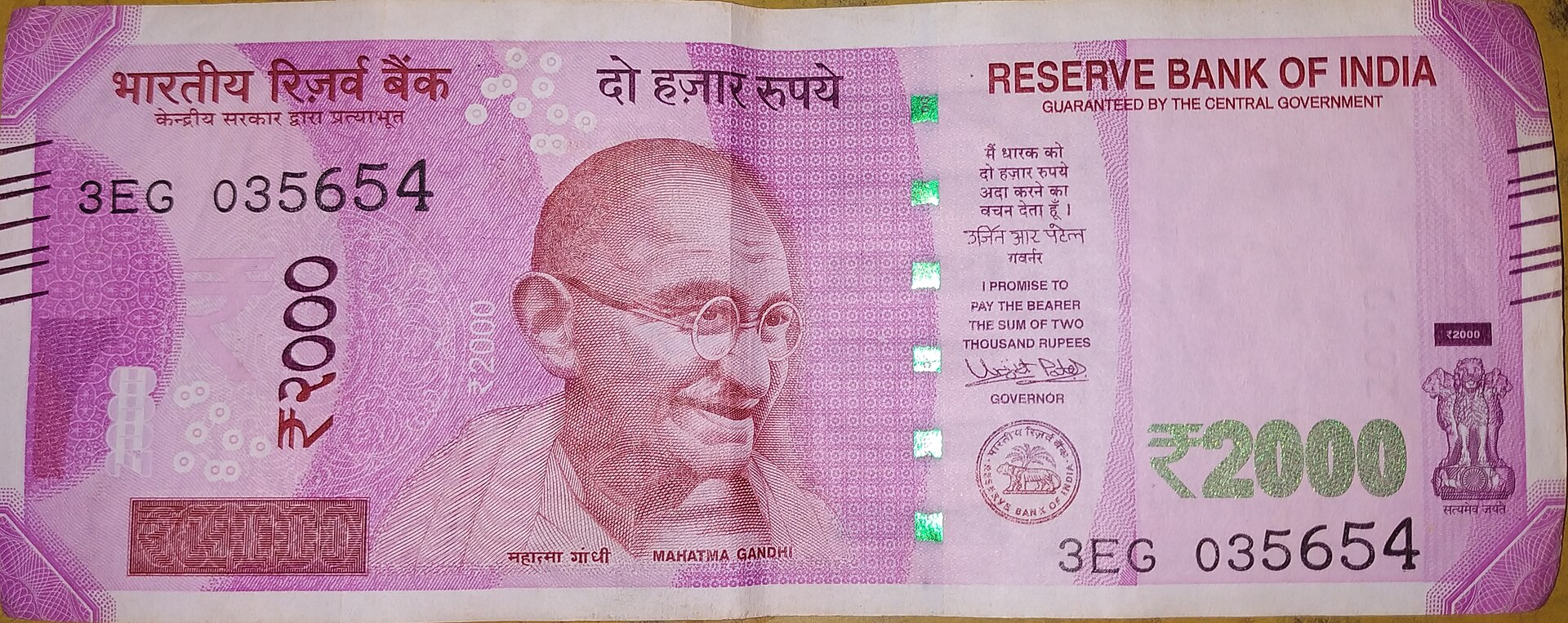
Photo: Ravi Dwivedi, Wikimedia Commons (CC BY-SA 4.0)