Starting a Home-Based Business: A Practical First-Year Guide
You can begin a business from your living room with little money if you plan the basics carefully.
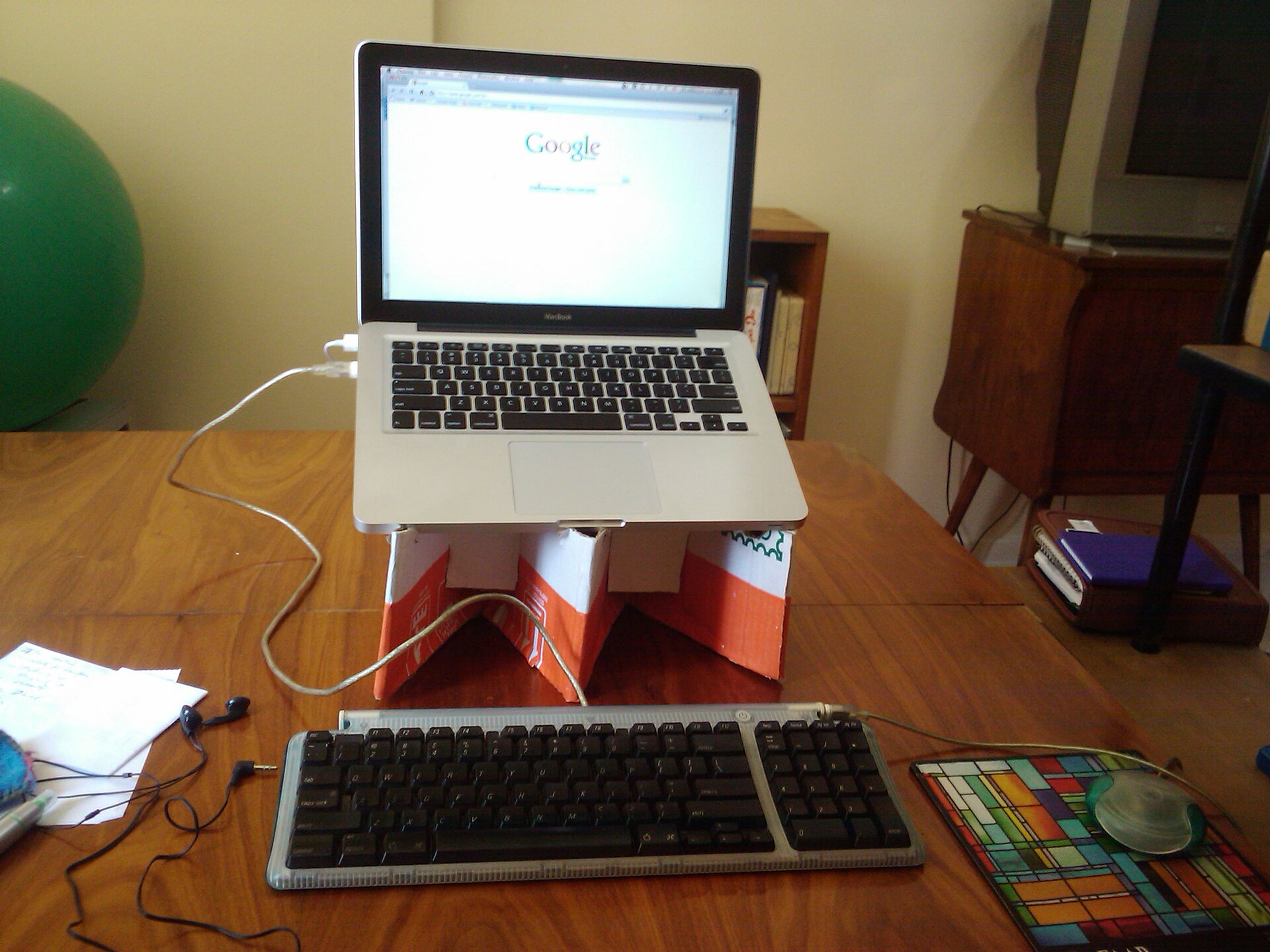
Across India, many successful ventures began on a dining table or in a spare room: pickles, tuition classes, tailoring, handmade jewellery, bookkeeping, baking. A home based business can be a sensible way to test an idea without the heavy rent and staff costs of a shop. It also comes with its own challenges, from blurred work and family time to limited space. With some planning in the first year, you can avoid the common pitfalls and build something steady.
Choose an idea that fits your skills and your home
The best starting idea is usually one you already have some skill in and that people around you actually need. Ask yourself what friends and neighbours already request from you. Then check practical fit. A baking business needs a clean kitchen, storage and a way to deliver. An online tutoring business needs a quiet corner and a stable internet connection.
Before you spend money, test demand. Make a small batch, offer a trial class or take a few pre-orders from people you know. Listen to their feedback, including what they would not pay for. Early honest reactions are worth more than any amount of imagining.
Sort out the basics: legal and money
Even a tiny business should be set up properly. Requirements depend on what you do and where you live, so check with your local authority or a qualified professional. Food businesses, for example, generally need registration or a licence for food safety. Many businesses need to consider tax registration once income crosses certain limits.
Open a separate bank account for the business from day one. Record every sale and every expense, even small ones, in a notebook or simple app. This habit makes tax time easier, shows you whether you are really earning anything, and helps if you later apply for a loan. Keep starting costs low. Use what you already own, and buy tools only as demand proves itself.
Create a workspace and a routine
A home business needs boundaries. If possible, dedicate a table, shelf or corner for work and keep business items there. Set working hours and tell your family. Without that, work can swallow the whole day, or household tasks can keep interrupting the work.
- Plan the day the evening before. Write three priorities you must finish.
- Block time for customers. Reply to messages at set times so you are not on call constantly.
- Take proper breaks. Rest improves the quality of your work, especially for craft and cooking.
- Keep stock organised. Label shelves and boxes so orders can be packed quickly.
Find your first customers
Begin with people who already trust you: relatives, neighbours, former colleagues, parent groups and housing society communities. Ask satisfied customers to recommend you to others. Word of mouth is slow at first but is the most reliable way to grow a home business.
Make it easy to understand what you offer. Take clear photographs in daylight, write a simple price list and explain delivery or pickup. Be honest about timelines. It is better to promise delivery in three days and deliver in two than the reverse. If you use social media, show your process and your finished work rather than only posting offers.
Plan for growth and for hard days
Expect slow weeks and mistakes. Keep a small reserve to cover supplies, and avoid taking a large loan for an idea that is only a few months old. Reinvest part of your earnings into things that save time or improve quality, such as better packaging or a proper scale.
After about a year, review honestly. Which products or services make money, and which only consume time? Which customers are easy to serve? Cut what does not work and build on what does. When the business consistently needs more space or help than your home allows, that is a sign you are ready to think about the next step.
A home based business does not require a big launch. It asks for a useful idea, simple records, firm boundaries and steady attention to customers. Start small, learn quickly and let the business earn its growth.
Related reading: Cash Flow Habits Every Small Business Owner Should Build · Writing a Simple Business Plan on Just Two Pages · How to Create Strong Passwords You Can Actually Remember
Photo: Wagner Tamanaha from Sao Paulo, Brazil, Wikimedia Commons (CC BY-SA 2.0)