Crispy Pakora Tips for Rainy Evenings
Simple tricks for batter, oil temperature and vegetable cutting so your pakoras come out crisp every time.
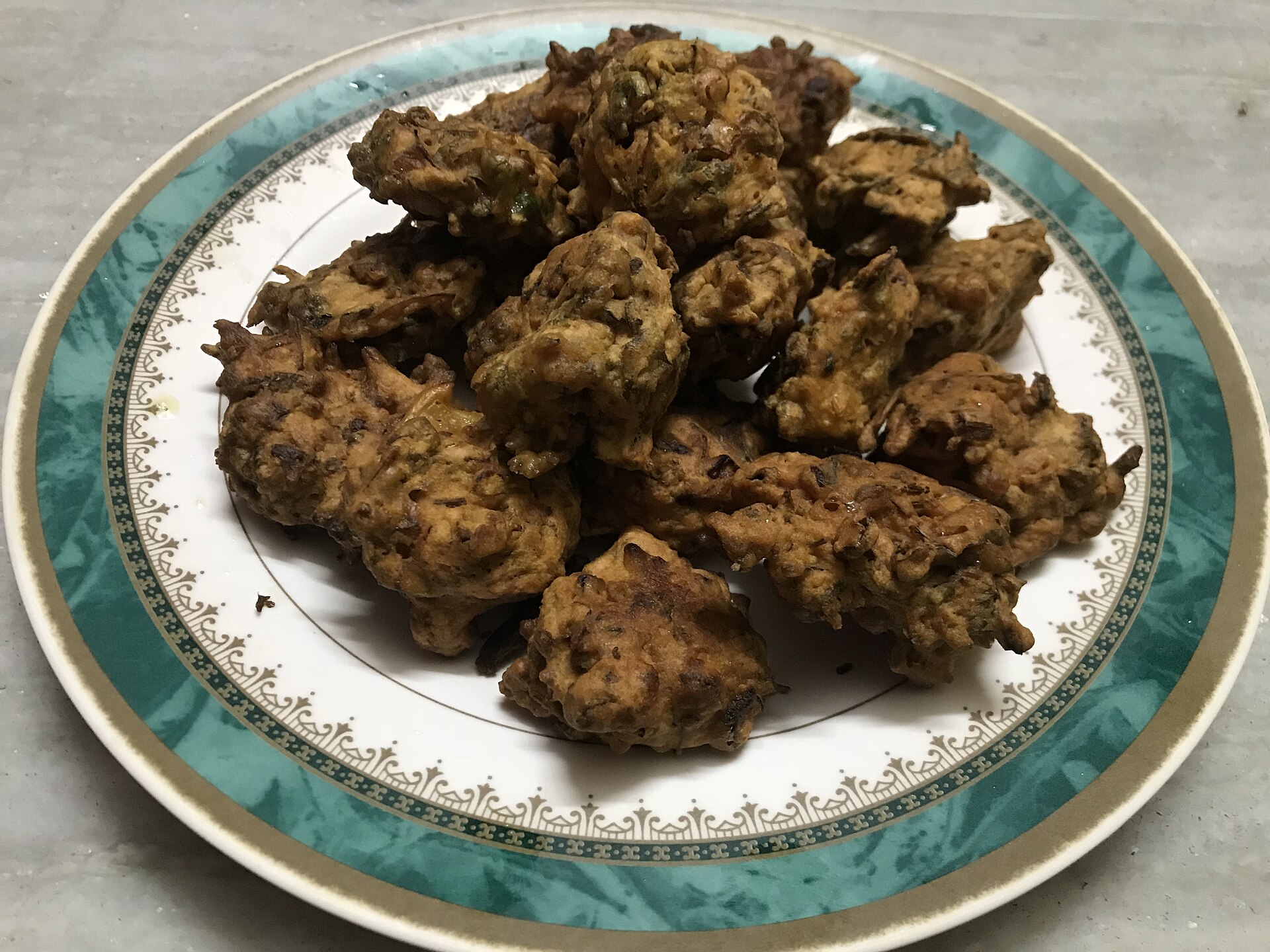
When the sky turns grey and the first raindrops hit the window, most Indian kitchens start thinking about the same thing: pakoras. Yet it is surprisingly easy to get them wrong, ending up with heavy, oily or soft fritters. These crispy pakora tips explain what actually makes them crunchy so your rainy evenings end with a happy plate.
Crispy pakora tips: start with the right batter
Besan, or gram flour, is the base. For about one cup of besan, you need roughly half a cup of water, though this varies with the flour and the vegetables. The batter should be thick enough to cling to the vegetables, like a heavy pancake batter, rather than runny.
Beat the batter well for a couple of minutes with your hand or a whisk. Air makes pakoras light. Add salt, a pinch of turmeric, red chilli powder, ajwain and a little coriander powder. A spoon of rice flour adds crispness, and some cooks add a pinch of baking soda for fluffiness. Use only a small pinch, as too much makes the pakoras taste odd.
Prepare the vegetables properly
Moisture is the enemy of crunch. Slice onions thin, and salt them lightly ten minutes before cooking. Squeeze out the water, then mix with batter. Pat potatoes, spinach and other vegetables dry before using. Thin slices cook through before the outside burns, while chunky pieces may stay raw inside.
- Onion: slice thinly and lightly salt before squeezing.
- Potato: cut into thin rounds or sticks and rinse starch off.
- Spinach: use whole, dry leaves for a lacy texture.
- Paneer or bread: coat in a slightly thicker batter.
- Green chilli and curry leaves: add for fragrance.
Oil temperature decides everything
This is the main secret. If the oil is too cool, the pakoras soak it up and turn greasy. If it is too hot, they brown outside and remain raw inside. Medium-high heat is right. Test by dropping a bit of batter: it should rise to the surface in a few seconds with steady bubbles, not instantly burn.
Do not crowd the pan. Adding too many at once drops the temperature. Fry in batches, giving each pakora room. Turn them occasionally and fry until a deep golden colour and the sizzling quietens down, which suggests moisture has left.
The double-fry trick
For extra crunch, many cooks fry pakoras until just pale gold, remove and rest them for a few minutes, then fry again briefly. This drives out moisture and gives a crisp shell that lasts longer on the plate.
Drain and serve well
Do not stack hot pakoras on a plate, as steam softens them. Place them on a wire rack or a paper towel lined tray in a single layer. Serve right away with green chutney, tamarind chutney or ketchup, and of course hot tea. A sprinkle of chaat masala and a few onion rings and lemon wedges finish the plate.
If you must hold them for a while, keep them in a warm oven spread out on a tray. Do not cover them.
Safe frying habits
Oil fires and splashes cause real accidents. Use a deep, heavy pan, keep the flame steady and never leave hot oil unattended. Keep water away from the pan and dry wet vegetables well. Lower food into the oil gently with a slotted spoon, rather than dropping it. Keep children well back from the stove. Allow oil to cool completely before storing or discarding it, and avoid reusing it many times, which affects taste and quality.
Balancing the treat
Pakoras are an occasional pleasure rather than a daily food. If you want a lighter version, try shallow frying or baking in an air fryer, though the texture differs. Pair them with salad or fresh fruit and drink plenty of water.
A last word
Crisp pakoras come from thick, well-beaten batter, dry vegetables, steady oil temperature and a bit of patience. Once you master those points, the type of vegetable hardly matters. Put the kettle on, listen to the rain and enjoy a plate while it is still hot.
Related reading: Dal Tadka Recipe: Restaurant-Style Flavour at Home · How to Make South Indian Filter Coffee at Home · Best Fabrics for Indian Summers: Staying Cool and Looking Good
Photo: Marajozkee, Wikimedia Commons (CC BY-SA 4.0)