Best Fabrics for Indian Summers: Staying Cool and Looking Good
Choosing breathable fabrics and loose cuts keeps you comfortable through the hottest and most humid months.
Anyone who has worn a synthetic shirt through an Indian May knows the feeling: sticky, heavy and irritable. What you wear affects how you handle the heat far more than most people realise. The right summer fabrics let air pass through, absorb sweat and dry quickly. They can make a forty-degree afternoon feel manageable. Here is a practical guide to what works, why, and how to shop for it.
Natural fibres that breathe
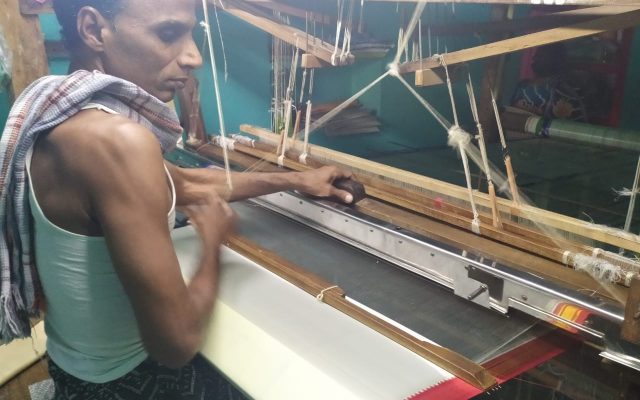
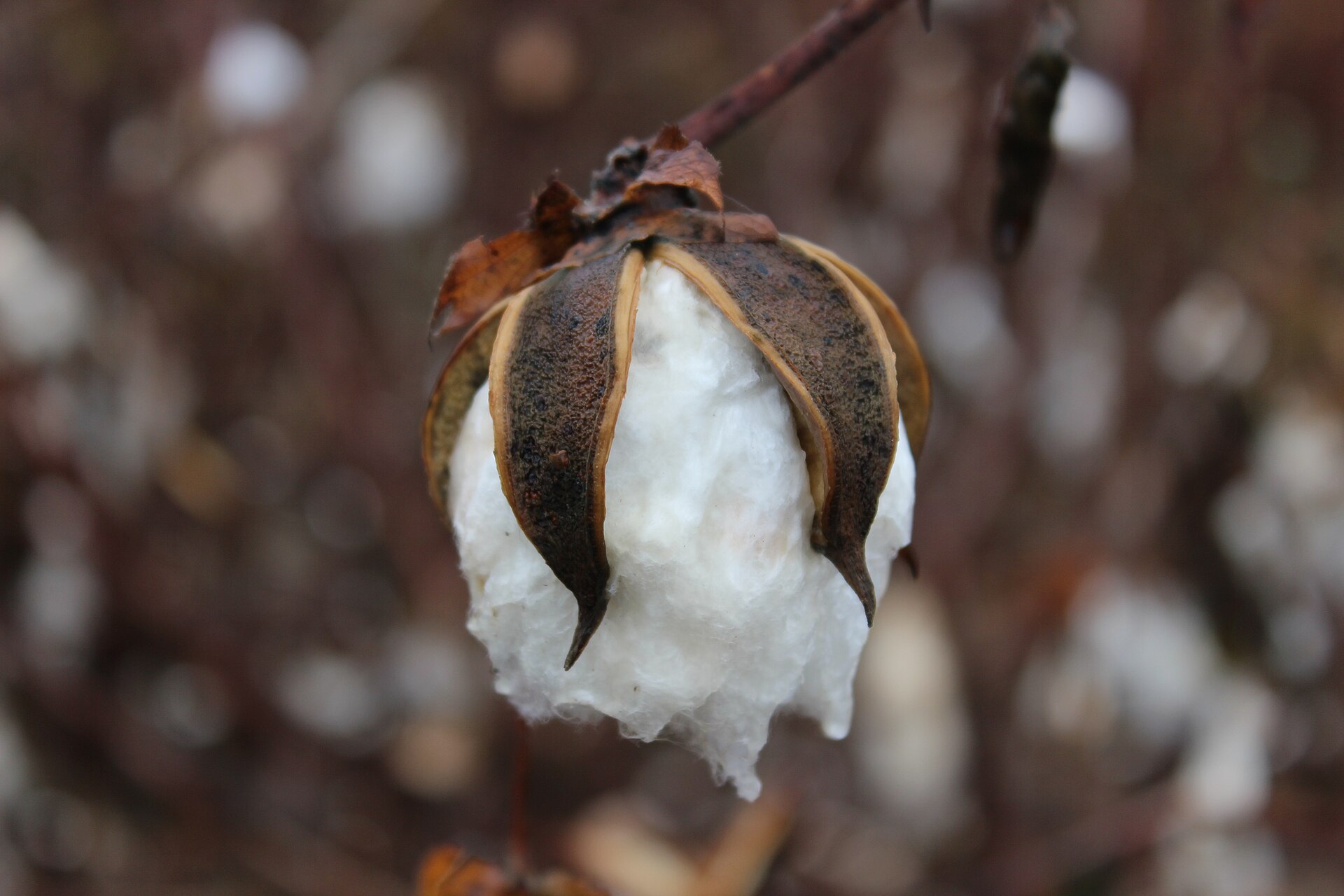
Cotton is the all-rounder. It absorbs moisture, feels soft and is easy to wash. Look for lightweight weaves such as voile, mulmul and cambric. Hand-woven cotton like khadi is cooling and has a lovely texture, although it can feel stiff until it has been washed a few times.
Linen is another excellent choice. It is made from the flax plant, has a loose weave and dries quickly. It wrinkles easily, but many people accept that crumpled look as part of its charm. Linen blended with cotton reduces wrinkling while keeping much of the breathability.
Fabrics to think twice about
Polyester, nylon and other synthetic fabrics tend to trap heat and moisture next to the skin. Some modern synthetic sportswear is designed to wick sweat away and suits exercise, but regular polyester shirts and kurtas can feel uncomfortable in humid weather.
Heavy silk, thick denim and dense fabrics are also trying in peak summer. If you need to wear them for an occasion, choose the lightest versions and limit the time you spend outdoors in them. Layering with a thin cotton inner is another way to protect the outer fabric from sweat.
Look beyond the fibre: weave, colour and fit
The type of fibre is only part of the story. The construction matters too.
- Weave. An open, loose weave allows air to move. Hold the cloth up to the light. If you can see tiny gaps, it is likely to breathe well.
- Colour. Light colours reflect heat, while dark colours absorb it. Pastels, white and soft earthy shades are usually most comfortable in direct sun.
- Fit. Loose, flowing cuts allow air to circulate. Kurtas, palazzos, loose shirts and cotton sarees are traditional answers to the climate.
- Weight. Lighter fabrics feel cooler. Check the feel in your hand before buying.
Shopping and washing tips
Buy from shops or sources where you can touch and see the cloth. Check the label for fibre content, and note that blends may behave differently. Pre-wash new cotton garments because many shrink slightly.
Wash summer clothes often, since sweat and dust can cause odour and skin irritation. Use mild detergent, rinse thoroughly and dry in sunlight when the fabric allows it. Natural fibres usually recover well from regular washing, which is another reason they are worth choosing.
Do not forget the small things
Undergarments matter as much as outer wear. Cotton innerwear is gentler in the heat. Wear breathable socks and shoes, and give your feet some time in open sandals when practical.
A light cotton scarf or dupatta protects your neck from the sun, and a wide hat or umbrella helps further. Drink water regularly and avoid long exposure to midday heat. If you have skin conditions or heat-related symptoms, consult a doctor for personal advice.
If you are unsure, try a simple test at home. Wear a new garment for an hour in a warm room and notice how it feels against your skin. Does it cling, feel clammy or hold the heat? Does it dry quickly after you wet a corner of it? These small tests tell you more than a label does. Over a season or two, you will learn which fabrics suit your body and your city, and you can buy with confidence, avoiding the costly mistake of clothes that look nice on the hanger but feel unbearable by noon.
Staying cool in summer is less about spending more and more about choosing sensibly. Pick breathable fibres, open weaves, light colours and loose cuts, wash often and carry a little shade with you. Your wardrobe can be your best defence against the heat.
Related reading: How to Care for Silk Sarees So They Last for Generations · How to Get Clothes Tailored Well: A Guide to Working With Your Tailor · Desk Job and Back Pain: Simple Ways to Ease the Strain
Photo: Michael Bass-Deschenes(Commons User Mike Bass-Deschênes), Wikimedia Commons (CC BY 2.0)