How to Care for Silk Sarees So They Last for Generations
Simple habits for storage, folding and cleaning keep silk sarees bright and strong for many years.
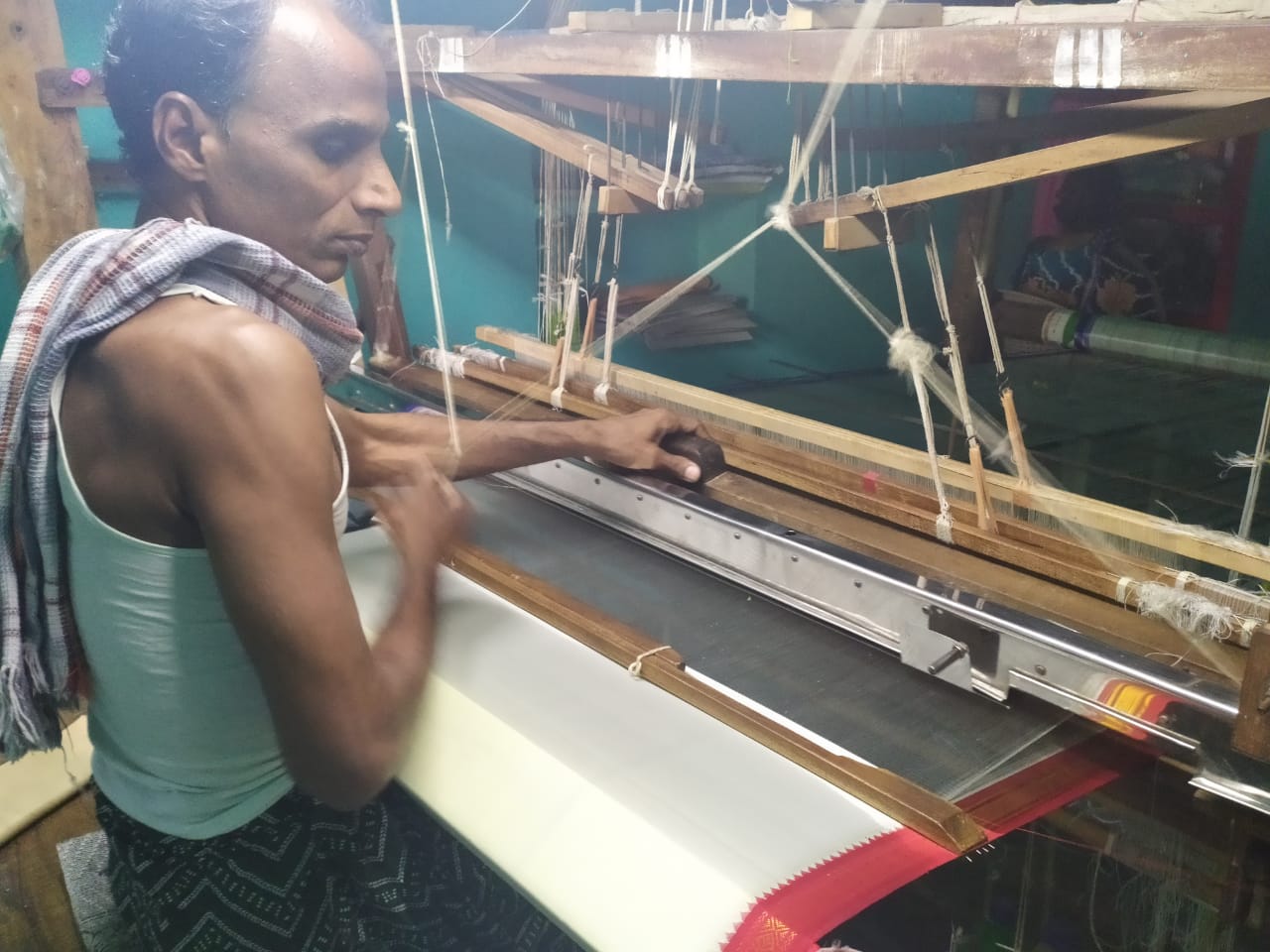
In many Indian homes, a silk saree is more than clothing. It might be a wedding gift, a mother’s festive favourite or a piece passed down through generations. Such sarees are worth protecting. The good news is that silk care is not mysterious. It needs gentleness, dryness and a little regular attention. With the right silk saree care habits, a Kanjivaram, Banarasi or Mysore silk can stay lovely for decades.
Know your fabric first
Silk comes in many forms: pure silk, silk blends, tussar, georgette and more. Zari work, which uses metallic thread, needs extra care. Look at the care label if there is one, and ask the seller when you buy. If the saree is old or valuable, find a trusted specialist cleaner rather than experimenting.
As a rule, silk dislikes harsh chemicals, strong sunlight, damp and rough handling. Keep these in mind and most decisions become easier.
Wear it with care
Silk is delicate against perfume, deodorant and sweat. Apply fragrance and cosmetics before you drape the saree, and let them dry. After wearing, air the saree in a shaded, ventilated spot for several hours before folding. This allows moisture and body odour to disperse naturally.
Be mindful of rough surfaces, jewellery with sharp edges and tight pins that can snag the weave. Use safety pins at the pleats and pallu sparingly, and pin through the folded inner area where marks will not show.
Cleaning without damage
Frequent washing is not needed. Most silk sarees are best dry cleaned, particularly those with heavy zari. For minor stains, act quickly by dabbing gently, not rubbing. Do not use bleach or strong detergents.
- Dry clean sparingly. Once or twice a year, or after heavy use, is typically enough.
- Choose a reliable cleaner. Ask how they handle zari and delicate silks.
- Never wring silk. Wringing breaks fibres and damages the weave.
- Dry in shade. Direct sunlight fades colour and weakens threads.
If you iron, use a low heat setting, and place a clean cotton cloth between the iron and the saree. Iron on the reverse side where possible, and avoid pressing directly on zari.
Folding and storage
Wrap each silk saree in a soft cotton or muslin cloth. Plastic bags trap moisture and can cause yellowing and mildew. Store them in a cool, dry place, away from direct light.
Change the fold lines every few months. Silk that stays folded along the same crease for years may split along that line, especially the zari borders. Refold the saree differently each time, and when possible, roll the saree gently, instead of folding it flat. Add neem leaves, lavender sachets or other natural repellents to protect from insects, but keep them from touching the fabric directly.
Seasonal care and repairs
In the monsoon, humidity is the main enemy. Air your sarees on a dry, sunny-but-shaded day, and check for any musty smell or spots. Do this once every two or three months through the year.
Fix small problems early. A loose thread or a small tear can be repaired by a skilled weaver or tailor before it spreads. Treat the saree as a cherished heirloom, and when you pass it on, share its story along with it. That is what makes it worth keeping in good condition.
It is also worth keeping a small record of your sarees, with a note of where each was bought, when it was last cleaned and any special instructions. A few lines in a notebook, or photographs on your phone, help you remember what needs airing next, and they preserve the family history attached to each piece. When a saree is gifted to a daughter or niece, that note goes with it, and so does the knowledge of how to look after it properly. Small habits like this are what separate a saree that lasts ten years from one that lasts fifty.
Caring for silk is mostly about restraint: less washing, less sun, less handling and more air and gentle storage. Do these simple things consistently and your silk sarees will remain a source of pride for the next generation too.
Related reading: Best Fabrics for Indian Summers: Staying Cool and Looking Good · Building a Capsule Wardrobe That Works for Indian Life · How a Bill Becomes Law in India, Step by Step
Photo: Nasavishal, Wikimedia Commons (CC BY-SA 4.0)