Shopping for Second-Hand Clothes: Smart Tips for Good Finds
Thrift shopping saves money and reduces waste if you know what to check and how to clean your finds.

Buying pre-loved clothes has a long tradition in India, from street markets and community sales to hand-me-downs within families. Today, more people are returning to second hand clothes for good reasons: they cost less, they reduce textile waste and they often include well-made garments that are rarely found in new stores. But a good find takes some patience and a sharp eye. Here are practical tips that help you shop smartly and avoid disappointment.
Know what you are looking for
Before you go, take a look at your wardrobe. Note gaps, such as a good winter jacket, a formal shirt or a plain cotton kurta. Having a loose list stops you from buying things just because they are cheap and ending up with more clutter.
Keep your colour palette and style in mind. A garment is only a bargain if you will wear it. Ask yourself whether you can make a few outfits with it from clothes you already own.
Check condition carefully
Examine each piece in good light. Look closely at the details.
- Seams and hems. Pull gently to check that stitching is intact.
- Underarms and collars. These areas often show stains and wear.
- Zips and buttons. Test them, because replacing a zip can cost more than the garment.
- Fabric condition. Look for thinning, holes, pilling or fading, and smell for dampness or strong odours.
- Labels. Check fibre content and size, remembering that sizing varies between brands and eras.
If possible, try the item on. If trial rooms are unavailable, hold it against your body and check measurements against a garment you already own that fits well.
Look for quality fibres and good construction
Natural fibres such as cotton, wool, linen and silk usually age better than cheap synthetics. Well-lined jackets, thick denim, leather shoes that can be resoled and woollens with tight knits can last for years more. A garment with sturdy construction at a low price is exactly what second hand shopping is good for.
Be cautious with items that are heavily stained, have a deep musty smell or have fabric that feels brittle. Some problems can be fixed by a good wash or a skilled tailor, but others are permanent.
Clean and refresh your finds safely
Always wash or dry clean second hand clothes before wearing them. Wash cottons in hot water if the label allows, with a suitable detergent, then dry in sunlight, which helps freshen and sanitise the fabric. Delicate items such as woollens and silks should be washed according to their care instructions or sent to a dry cleaner.
For shoes and bags, wipe and air thoroughly. Innerwear and swimwear are generally better bought new for hygiene reasons. If you notice any skin irritation after wearing a garment, stop using it and consult a doctor.
Shop responsibly and also give back
Bargain politely but fairly. Many small sellers earn a modest living from this trade, and a few rupees may matter more to them than to you. Choose reputable stalls, community sales or well-reviewed resale platforms, and be careful with online payments and listings that look suspicious.
Finally, close the loop. When you outgrow clothes, pass them on by donating, swapping with friends or selling them. Mend what can be mended. A wardrobe that circulates is kinder to your budget and to the world around you.
Timing can help too. Many community sales and markets get fresh stock on particular days, so ask regular sellers when new bundles arrive. Go early for the best choice, or late if you prefer bargains. Take a bag, a small tape measure and a mirror if trial rooms are not available. With a little routine, you start to recognise good fabrics at a glance, and the hunt itself becomes one of the pleasures of the whole experience.
Second hand shopping is part patience, part detective work. Know what you need, inspect condition with care, favour good fibres, clean what you buy and share clothes onward when you are done. You may be surprised by how good your wardrobe can look at a fraction of the price.
Related reading: Building a Capsule Wardrobe That Works for Indian Life · How to Care for Silk Sarees So They Last for Generations · Weekly Meal Prep for the Indian Kitchen: A Beginner's Plan
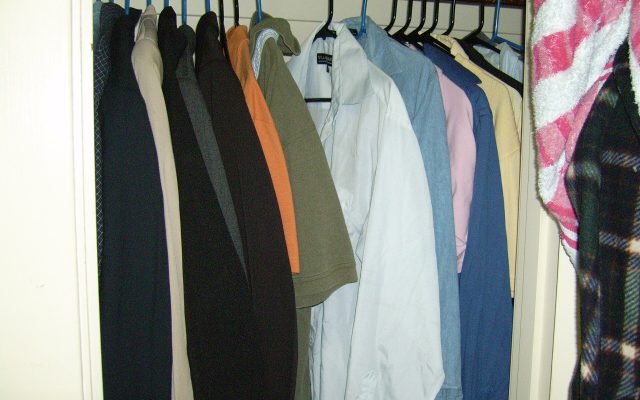
Photo: Gerald England, Wikimedia Commons (CC BY-SA 2.0)