The Union Budget Explained in Simple Terms for Everyone
What the Union Budget actually is, how it is prepared and passed, and which terms to understand when you read the coverage.
Every year, newspapers and television channels give days of coverage to the Budget. Yet many people feel the discussion is written for economists. This Union Budget explained guide strips it down to basics: what it is, how it moves through Parliament, and the handful of terms you need to follow the headlines.
Union Budget explained: what it actually is
The Union Budget is the government’s annual statement of expected income and planned spending for the financial year, which runs from 1 April to 31 March. The Constitution calls it the Annual Financial Statement. The Finance Minister presents it to the Lok Sabha, and it works much like a household plan: how much money will come in, where it will go, and how any gap will be covered.
It is not only a list of numbers. It is also where the government signals its priorities, such as spending on roads, health, education, defence or welfare schemes, and proposes changes to taxes.
Where the money comes from and where it goes
Receipts
Government income includes income tax, corporate tax and goods and services tax, along with customs duties, excise and non-tax revenue such as dividends and fees. It also includes money raised by borrowing, which is not income in the usual sense, because it must be repaid with interest.
Expenditure
Spending covers salaries, pensions, subsidies, interest payments on past debt, and money given to states. It also covers investments in assets like highways, railways and ports. Economists often split spending into revenue expenditure, which is for running costs, and capital expenditure, which creates lasting assets.
Terms worth knowing
- Fiscal deficit: the gap between total spending and total receipts, not counting borrowings. It shows how much the government needs to borrow in that year.
- Revenue deficit: when revenue spending exceeds revenue receipts.
- Direct taxes: taxes paid directly by a person or company, such as income tax.
- Indirect taxes: taxes added to goods and services, such as GST, which you pay when you buy something.
- Allocation: the amount set aside for a ministry or scheme. It is a plan, not a guarantee of final spending.
How the Budget becomes law
After the Finance Minister’s speech, the proposals are discussed in Parliament. Members debate the general outline first, and then ministries’ demands for grants are examined, often with the help of parliamentary committees. Money is formally released through the Appropriation Bill, while the tax proposals are placed in the Finance Bill.
These are treated as money bills, so the Lok Sabha has the final say. The Rajya Sabha can discuss them and suggest changes, but the Lok Sabha may accept or reject those suggestions. After both houses complete their role, the President gives assent, and the provisions take effect.
How to read Budget coverage without getting lost
Start with what affects your own life. Check the income tax slabs, if they changed, and see whether any deductions you use have been altered. Look at the changes in GST or customs duty on items you buy regularly. Then, if you wish, look at the larger picture.
Be careful with big numbers. A very large allocation sounds impressive, but compare it with the previous year’s figure and with the size of the economy. Ask whether it is new money or a renamed scheme. Reputable explainers will usually show these comparisons, and it is worth reading one or two rather than relying on a single headline.
Also remember that the Budget is an estimate. Actual figures are published later as revised estimates and then actuals, and they can differ, especially if tax collection turns out stronger or weaker than expected.
Why it matters beyond the headlines
Budget decisions shape what you pay for fuel, loans, insurance and schooling, and they influence how many jobs are created in construction and manufacturing. They also decide how much help reaches states and welfare programmes. When more citizens understand the document, public debate becomes better informed, and it becomes harder for confusing claims to spread.
The Budget is a yearly plan for income and spending, approved by Parliament and carried out by the government through the year. Learn the few key terms, look at what changes for your household, and compare numbers over time. Once you do that, the next Budget day will feel far less intimidating.
Related reading: How to Spot Fake News in Forwards and Social Media Posts · What Is Inflation and Why Do Prices Keep Rising? · How to Build a Streaming Watchlist You Will Actually Finish
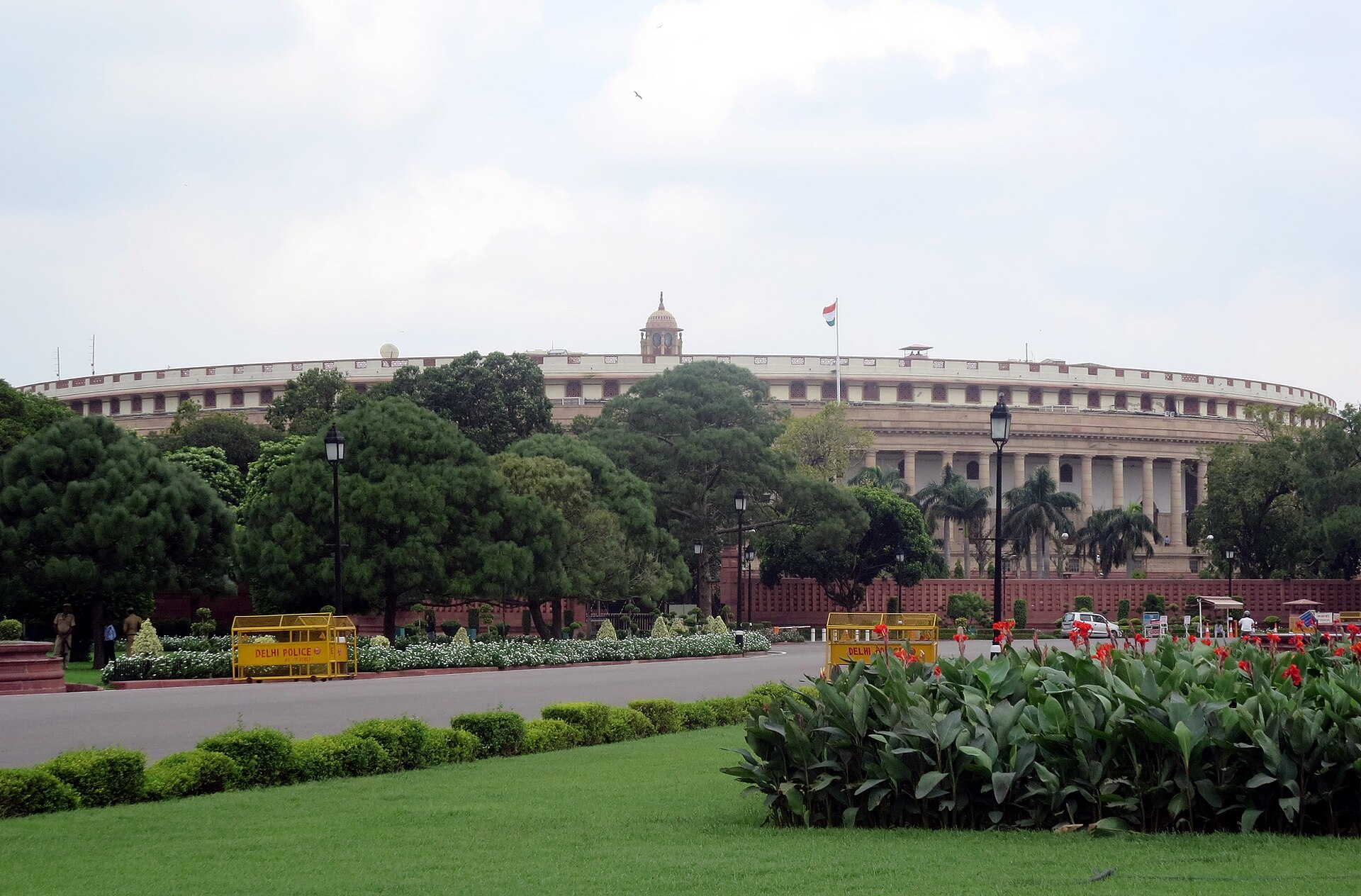
Photo: Nikhilb239, Wikimedia Commons (CC BY-SA 4.0)