Street Food Safety: How to Enjoy It Without Falling Sick
Simple, common-sense street food safety habits that let you enjoy India's snacks without upsetting your stomach.
Ask anyone what they miss most when away from home and many will say golgappa, vada pav or a hot plate of tikki. Street food is part of India’s identity, and avoiding it entirely would be a loss. The trick is not to be fearless or fearful but to be observant. These street food safety habits will help you eat well and stay well.
Street food safety: read the stall before you order
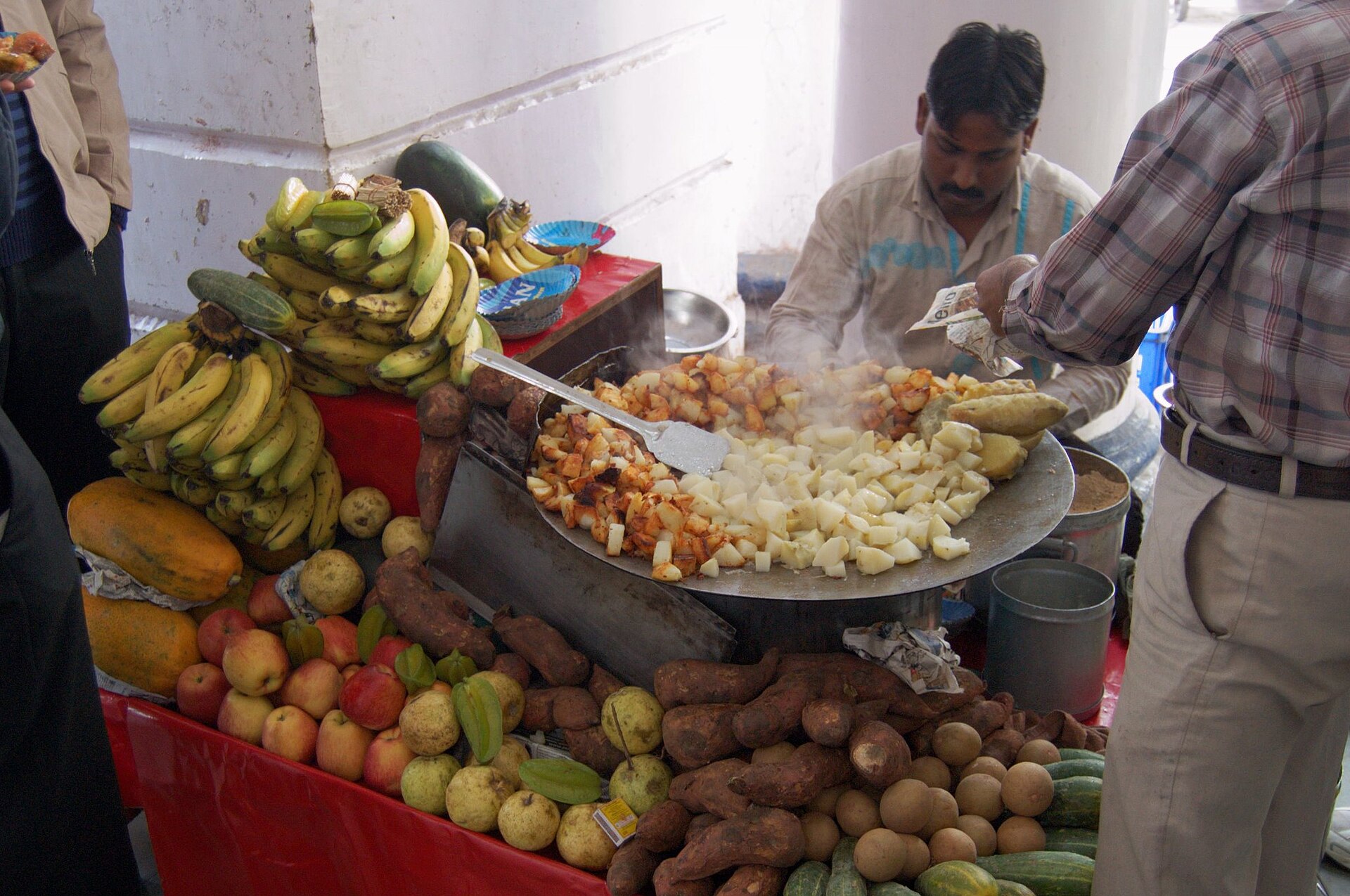
Your eyes are your best tool. Look for a stall with a steady stream of customers, since busy places turn over ingredients quickly and food is rarely left sitting. Watch how the vendor works. Does he handle money and food with the same hands? Is the cooking area reasonably clean? Are ingredients covered and kept away from dust and flies?
A clean cloth, a covered water container and a separate person for handling cash are all small signs of care. If a stall seems careless, simply walk on. There is usually another one nearby.
Choose foods wisely
Food that is freshly cooked and served piping hot is generally safer than items that sit for hours. Think of samosas fried in front of you, hot dosas, bhutta roasted over coals or tea boiled to order. Be more careful with foods that are not heated at the end: chutneys, raw salads, cut fruit and anything with ice or unfiltered water.
- Prefer hot, freshly fried or grilled items.
- Be cautious with chutneys, pani and curd if you are unsure of the water.
- Peel fruit yourself when possible.
- Avoid items that have been sitting uncovered in the sun.
- Choose sealed water, or water you trust.
Water and ice
Contaminated water is a common cause of stomach upsets. For pani puri, ask where the water comes from and how it is stored. If you are unsure, you can try the dry versions of snacks such as sev puri without too much chutney. Skip drinks with ice unless you know the ice is made from safe water. Sugarcane juice and fresh juices are best from stalls that wash fruit well and use clean equipment.
Take care of yourself first
Your body matters as much as the stall. If you are tired, travelling or not used to heavy, spicy food, begin gently. Eat smaller portions and give your stomach time to adjust. Wash your hands or use sanitiser before eating, since you will often touch food directly. Carry wet wipes and avoid sharing plates or cups.
Pregnant women, young children, elderly people and anyone with a medical condition should be especially careful and may want to avoid risky items. If you have health concerns, check with a doctor about what is sensible for you.
If you fall ill
Mild stomach upsets usually settle with rest and fluids. Oral rehydration solution, coconut water and light foods such as rice, banana and curd help. If you have a high fever, severe pain, blood in stools, persistent vomiting or signs of dehydration, see a doctor promptly. Do not self-medicate heavily.
Be a considerate customer
Good habits help vendors too. Do not litter; use the bin or carry waste with you. Pay fairly, say thank you and avoid wasting food. When you find a stall you trust, return to it, and the vendor will often give you good advice about what is freshest that day.
If you are a vendor or run a food stall, small improvements such as covering food, wearing a clean apron and using clean water can bring loyal customers and protect everyone’s health.
Ask questions, build trust
Do not be shy about asking a vendor how something is made or how old the oil is. Most are proud of their work and happy to explain. Reused, blackened oil is a warning sign, as are stale-smelling fryers. Fresh oil, bright colours and a clean tawa show that someone cares about quality, and that is the stall where you can relax and enjoy your snack.
The sensible middle path
You do not need to avoid street food entirely to stay healthy. Choose busy stalls, eat hot items, be careful with water and raw foods and listen to your body. With these habits, your next plate of chaat should leave you only with a smile.
Related reading: Dal Tadka Recipe: Restaurant-Style Flavour at Home · How to Make South Indian Filter Coffee at Home · How to Stay Hydrated During the Indian Summer
Photo: ampersandyslexia, Wikimedia Commons (CC BY-SA 2.0)