Running for Beginners: A Gentle First-Month Plan
A gentle four-week plan to start running, with advice on shoes, pacing, warm-ups and avoiding injury.
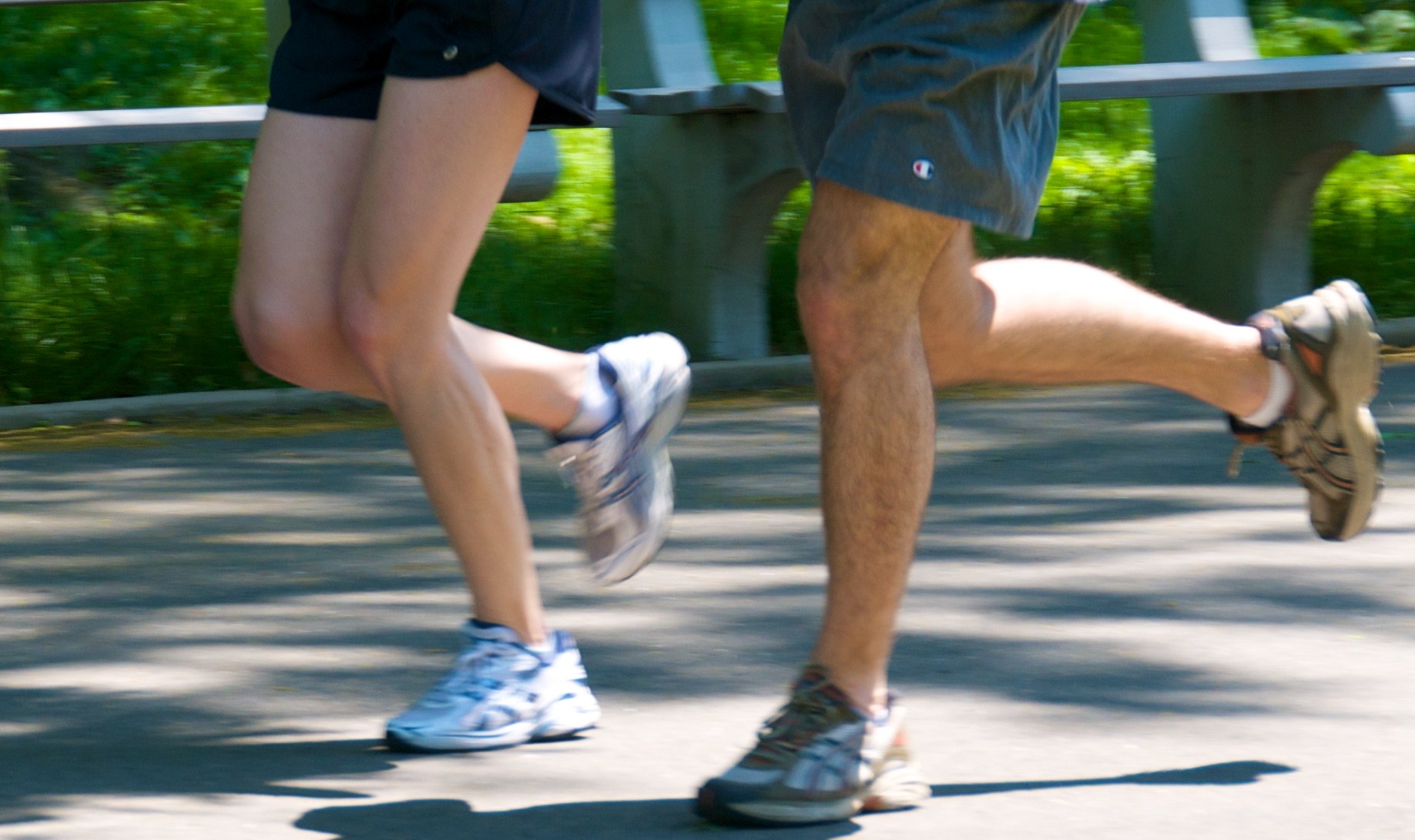
Running is one of the simplest sports in the world. You need a pair of shoes and some open space, and you can begin tomorrow morning. But many beginners start too fast, feel breathless within minutes and quit by the end of the week. This running for beginners guide gives you a gentle path that builds the habit without punishing your body.
Running for beginners: before you begin
If you have a heart condition, joint problems, are significantly overweight, are recovering from illness or are over a certain age and have not exercised for years, speak to a doctor before starting. Otherwise, listen to your body and begin slowly.
Choose proper running shoes. They do not have to be expensive, but they should fit well, with a little room at the toes, and have decent cushioning. Wear light, breathable clothes. Pick a safe, even surface such as a park path or a quiet lane, and run at cooler times of day, like early morning or evening.
The run-walk approach
The best way to start is to alternate running and walking. This lets your heart, lungs, muscles and tendons adapt gradually. Three days a week is plenty, with rest days in between.
- Week 1: Warm up with 5 minutes of brisk walking, then alternate 1 minute of easy jogging with 2 minutes of walking, for about 20 minutes.
- Week 2: Alternate 2 minutes jogging with 2 minutes walking, for about 20 to 25 minutes.
- Week 3: Alternate 3 minutes jogging with 1 minute walking, for about 25 minutes.
- Week 4: Alternate 5 minutes jogging with 1 minute walking, for about 25 to 30 minutes.
End each session with five minutes of easy walking. If a week feels too hard, repeat it. There is no prize for rushing.
The talk test
Most beginners run too fast. A useful check is the talk test: you should be able to speak a short sentence while running. If you cannot, slow down or walk. Easy running should feel comfortable, even a little too slow at first. Speed will come later, and it will come more safely.
Warm-up and cool-down
A short warm-up prepares the body. Walk briskly, then do leg swings, gentle lunges and ankle circles. After running, walk until your breathing settles and do light stretching for calves, thighs and hips.
Common beginner problems
Sore muscles in the first week are normal, but sharp or lasting pain is not. Shin pain, knee pain or pain in the foot that gets worse as you run is a signal to stop and rest. Persistent pain should be checked by a doctor or physiotherapist. A side stitch often eases when you slow down and breathe deeply.
Stay hydrated and avoid running in extreme heat. Drink water before and after, and carry some if your run is long. Eat a light snack such as a banana if you run early and feel hungry, though many people prefer to run on an empty stomach for short sessions.
Stay motivated
Running with a friend or neighbour keeps you accountable. Many cities have free community running groups and park runs, which welcome beginners and are friendly. Track your sessions in a notebook or app, and celebrate small wins, like running a full five minutes without stopping.
Do not compare your pace with others. Your pace is the right pace if you can keep doing it. Mix up routes to keep things interesting, and choose music or podcasts if they help.
Strength and rest
Basic strength work twice a week, such as squats, lunges and planks, supports your joints and improves running form. Sleep well and eat balanced meals with enough protein, carbohydrates and vegetables. Rest days are when your body actually gets stronger.
Looking ahead
After a month, you may be able to run for half an hour with a few breaks. That is a real achievement. From here, you can slowly extend the running intervals, add a day or aim for a local 5K. Keep it enjoyable, and the habit will last far longer than any short burst of effort.
Related reading: Warm-Up Exercises Before Sports: A Simple Routine · Choosing a Sport for Your Child: A Parent's Guide · How to Back Up Your Photos and Documents Safely
Photo: Ed Yourdon, Wikimedia Commons (CC BY-SA 2.0)