Warm-Up Exercises Before Sports: A Simple Routine
A simple, practical warm-up routine for any sport, with advice on dynamic movements and sensible cool-downs.
Most of us know the feeling of rushing to a game after a long day, throwing on shoes and diving straight into play. Then comes a pulled hamstring or a stiff back. A proper warm-up takes only ten minutes, yet it is the step most casual players skip. These warm-up exercises are easy to learn and suit almost any sport, from cricket and football to badminton and running.
Why warm-up exercises matter
When you warm up, your heart rate rises gradually, blood flows to the muscles and your joints loosen. Muscles become more elastic and your nervous system gets ready for quick movements. Many coaches and sports medicine experts recommend warming up to reduce the chance of strains and to help you perform better, though no routine can remove injury risk entirely.
Warming up also prepares the mind. A few minutes of easy movement helps you switch from work mode to play mode.
Dynamic, not static
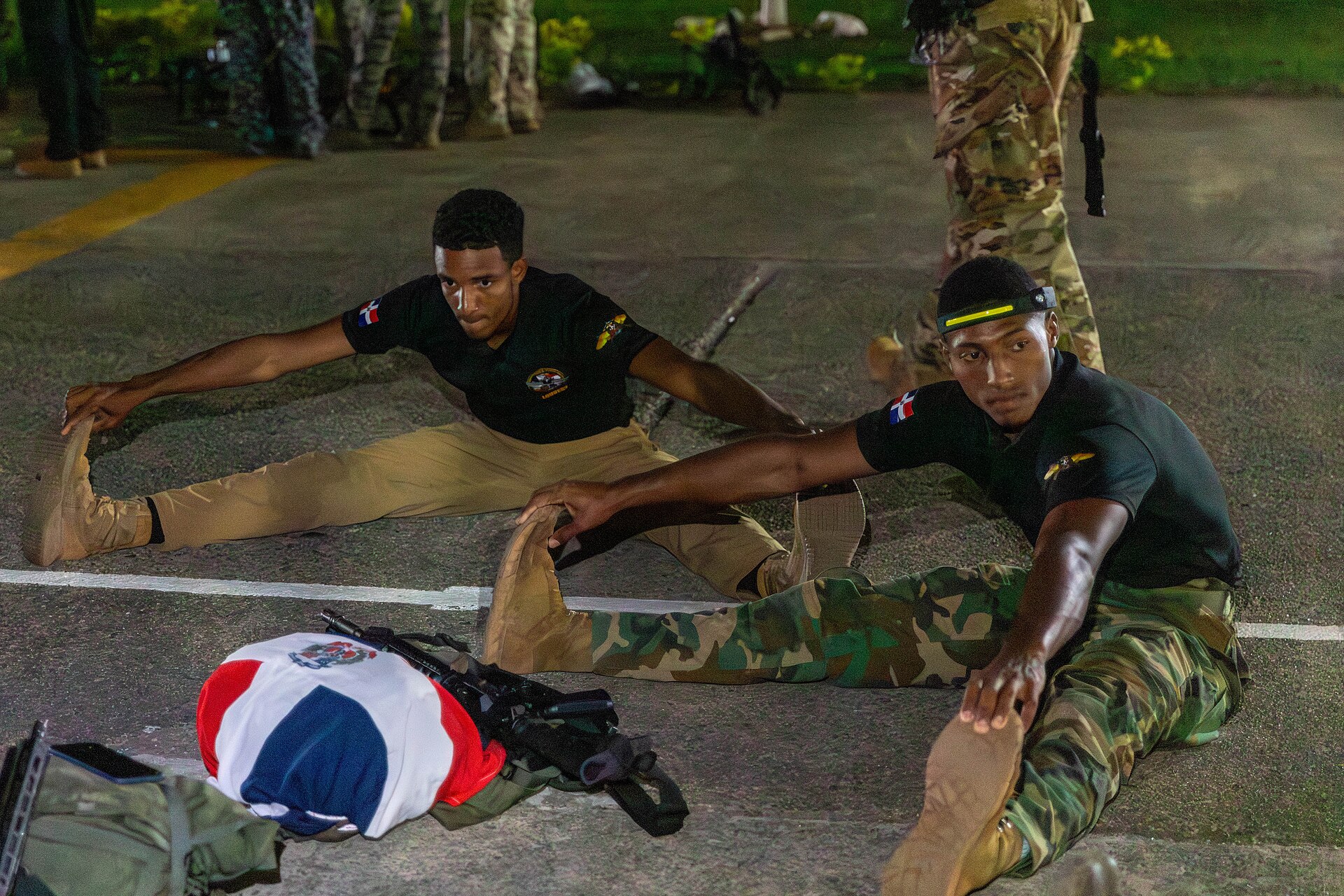
For a warm-up, dynamic movements generally work better than long static stretches. Static stretching, where you hold a position for thirty seconds or more, is better saved for after exercise. Dynamic movements take your body through the range of motion it will use in the game.
- Start with 3 to 5 minutes of easy jogging, skipping or brisk walking.
- Do 10 arm circles forward and backward.
- Do 10 to 12 leg swings on each leg, forward and sideways.
- Do 8 to 10 bodyweight squats, slowly and with control.
- Do 8 walking lunges on each side, with an upright back.
- Do 10 hip circles and gentle trunk twists.
- Finish with a few short, quick sprints or high knees.
Adapt it to your sport
Think about what your sport demands. A cricketer will want shoulder mobility, gentle throwing and some quick runs between wickets. A footballer needs ankle and hip preparation plus short bursts of acceleration. Badminton and tennis players benefit from wrist, shoulder and lunge movements. Runners can add ankle bounces and light strides.
Start every movement gently and increase intensity gradually. By the end, you should feel warm, perhaps with a light sweat, but not tired.
Weather and age
In cold weather, extend the warm-up a few minutes. In hot weather, warm up in shade and drink water. Older adults and people returning after a break should be especially patient and gentle, and may benefit from advice from a doctor or physiotherapist.
Cooling down
After play, do not stop abruptly. Walk or jog slowly for five minutes so that your heart rate settles. Then do static stretches for the major muscles you used, holding each one for twenty to thirty seconds without bouncing. Breathe slowly. Drink water and eat a balanced snack or meal within a couple of hours.
Mistakes to avoid
Do not stretch cold muscles aggressively. Do not bounce into stretches or push through sharp pain. Do not turn your warm-up into a full workout. And do not skip it just because you are in a hurry. If you are really short on time, a five-minute version with jogging, squats, lunges and leg swings is better than nothing.
If you feel sharp or persistent pain, swelling or a joint that feels unstable, stop and rest. See a doctor if it does not settle, rather than hoping it will pass.
Warm-up for children
Children also benefit from warming up, though it can be turned into a game. Try follow-the-leader with skipping, hopping and jogging, or a short tag game before practice. Keep it playful and brief, and make sure they drink water. Coaches and teachers can set an example by doing the warm-up themselves, since children copy what adults do far more than what they say.
Make it a habit
Treat the warm-up as a fixed part of your game, like tying shoelaces. Encourage friends and children to join in. The routine will soon feel automatic, and you will probably notice that you move better and feel less sore the next day. Ten minutes now can keep you playing for years.
Related reading: Cricket Basics: Understanding the Game from Scratch · Kabaddi Rules Explained: How the Game Works · How to Get Clothes Tailored Well: A Guide to Working With Your Tailor
Photo: U.S. Army National Guard photo by Sgt. Nicodemus Taylor, Wikimedia Commons (Public domain)