How Opinion Polls Work and Why They Sometimes Get It Wrong
Understand sampling, margin of error and why polls can miss, so you can read survey headlines with a sensible, informed eye.
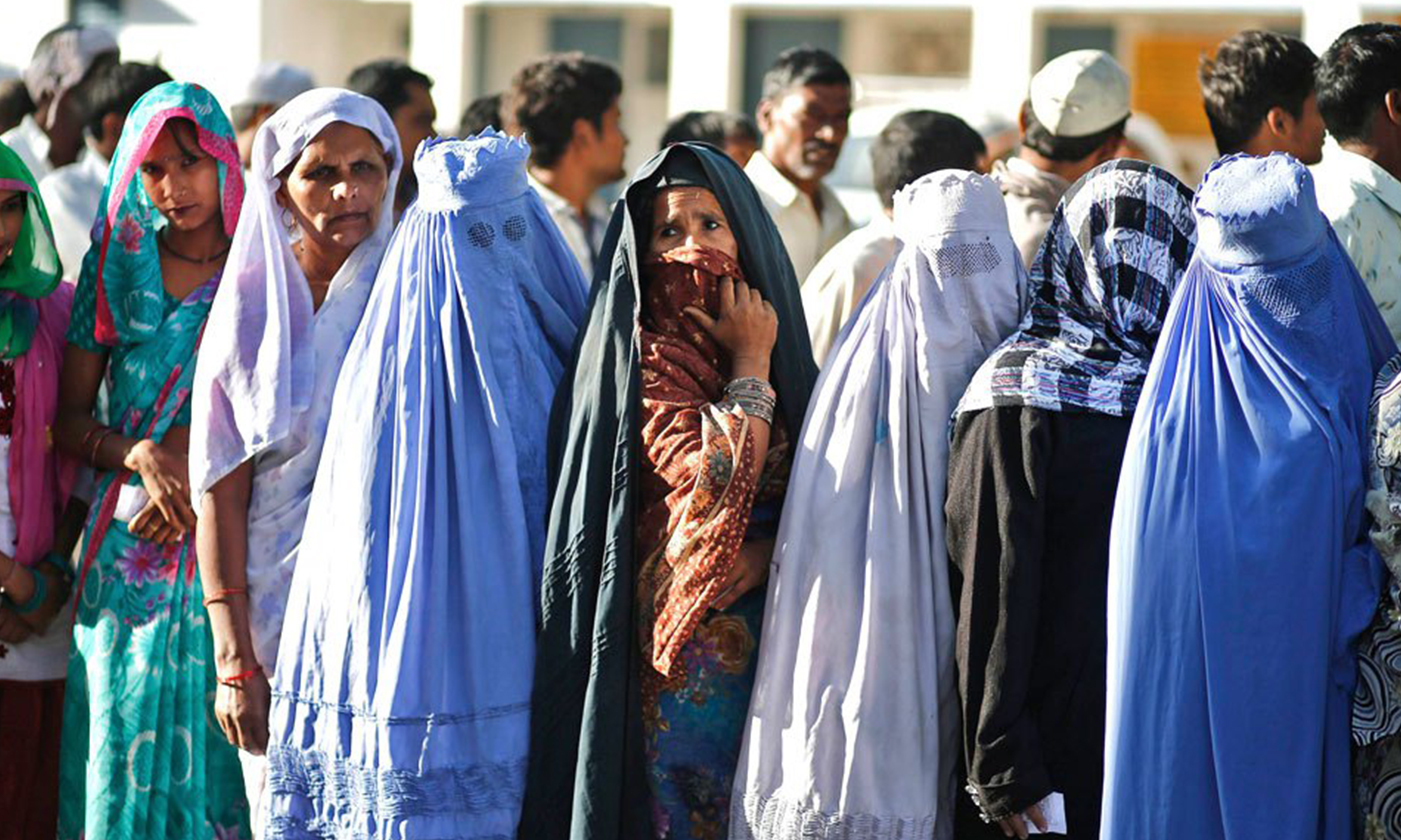
When an election season arrives, opinion polls appear everywhere, usually with confident numbers and dramatic headlines. Sometimes they turn out close to the result and sometimes they miss badly. Knowing how a poll is built helps you judge when to take it seriously and when to treat it as a rough guess.
How opinion polls work: asking a few to understand many
A poll does not ask every voter. It asks a smaller group, called a sample, and uses their answers to estimate what the whole population thinks. The idea is similar to tasting a spoonful of dal to judge the pot, provided the dal has been stirred well.
That last part is crucial. A sample works only if it represents the population, which means it should reflect the mix of age, gender, region, religion, caste, income and rural or urban residence. If a survey speaks mostly to people who own smartphones and live in cities, it will say little about a district where few people do.
What makes a poll trustworthy
Sampling method
Random selection, where every voter has a known chance of being chosen, is the gold standard. Phone-in polls, online voting buttons and street interviews with whoever is willing to stop are far weaker, because the people who respond may be very different from those who do not.
Sample size and margin of error
Larger samples generally reduce random error, but size alone does not fix a bad design. Responsible pollsters publish a margin of error, such as plus or minus three percentage points. If two parties are separated by less than that margin, the poll cannot tell you who is really ahead.
Question wording
The way a question is framed can change the answer. A neutral question reads, “Which party would you vote for?” A leading one hints at a preferred reply. Check whether the exact questions are shared.
Transparency
Look for who conducted and who paid for the survey, when the fieldwork happened, how many people were interviewed and how they were reached. If these details are hidden, be careful.
Why polls can still miss
- Opinions change. A poll is a snapshot of the days it was conducted, not a prediction of the voting day.
- Some people do not answer honestly. Voters may feel uncomfortable naming an unpopular choice, or may decide at the last minute.
- Not everyone votes. Estimating who will actually turn up is hard, and a wrong assumption can distort the result.
- Vote share is not seats. In a first-past-the-post system, a party can win many seats with a modest share of votes, or the reverse, depending on how votes are distributed across constituencies. Converting vote percentages into seats is a model with many assumptions.
- India is very diverse. Local candidates, local issues and alliances can differ from one constituency to the next, which makes broad estimates difficult.
Opinion polls versus exit polls
An opinion poll is conducted before voting and asks people what they intend to do. An exit poll asks voters, as they leave the polling station, whom they actually voted for. Exit polls usually have an advantage because people are reporting something that has already happened. They can still be wrong, for the same sampling reasons, so neither should be treated as an official result.
How to read poll headlines sensibly
Treat a single poll as one piece of evidence. When several independent polls point in the same direction, the signal is stronger. Pay attention to ranges rather than single numbers, notice the margin of error, and be wary of phrases like “sweeping victory” built on a narrow gap.
It is also worth asking how a result would change your view of the world. Surveys can influence the mood of a campaign, and some are produced to create a sense of momentum. A calm reading that asks “who did this, how, and when?” protects you from being pushed around by numbers.
Polls are useful tools when done carefully, but they are estimates, not promises. Look at the method, the sample, the margin of error and the timing, and compare more than one source. Used that way, opinion polls become a way to understand public mood, rather than a substitute for the actual vote.
Related reading: The Union Budget Explained in Simple Terms for Everyone · What Is Inflation and Why Do Prices Keep Rising? · How to Free Up Phone Storage Without Losing Your Memories
Photo: herald, Wikimedia Commons (CC BY-SA 4.0)
[…] Related reading: Daily Walking: Benefits and How to Start Without Pressure · Desk Job and Back Pain: Simple Ways to Ease the Strain · How Opinion Polls Work and Why They Sometimes Get It Wrong […]