Kabaddi Rules Explained: How the Game Works
A simple explanation of how kabaddi is played, from raids and tackles to scoring and the all-out.
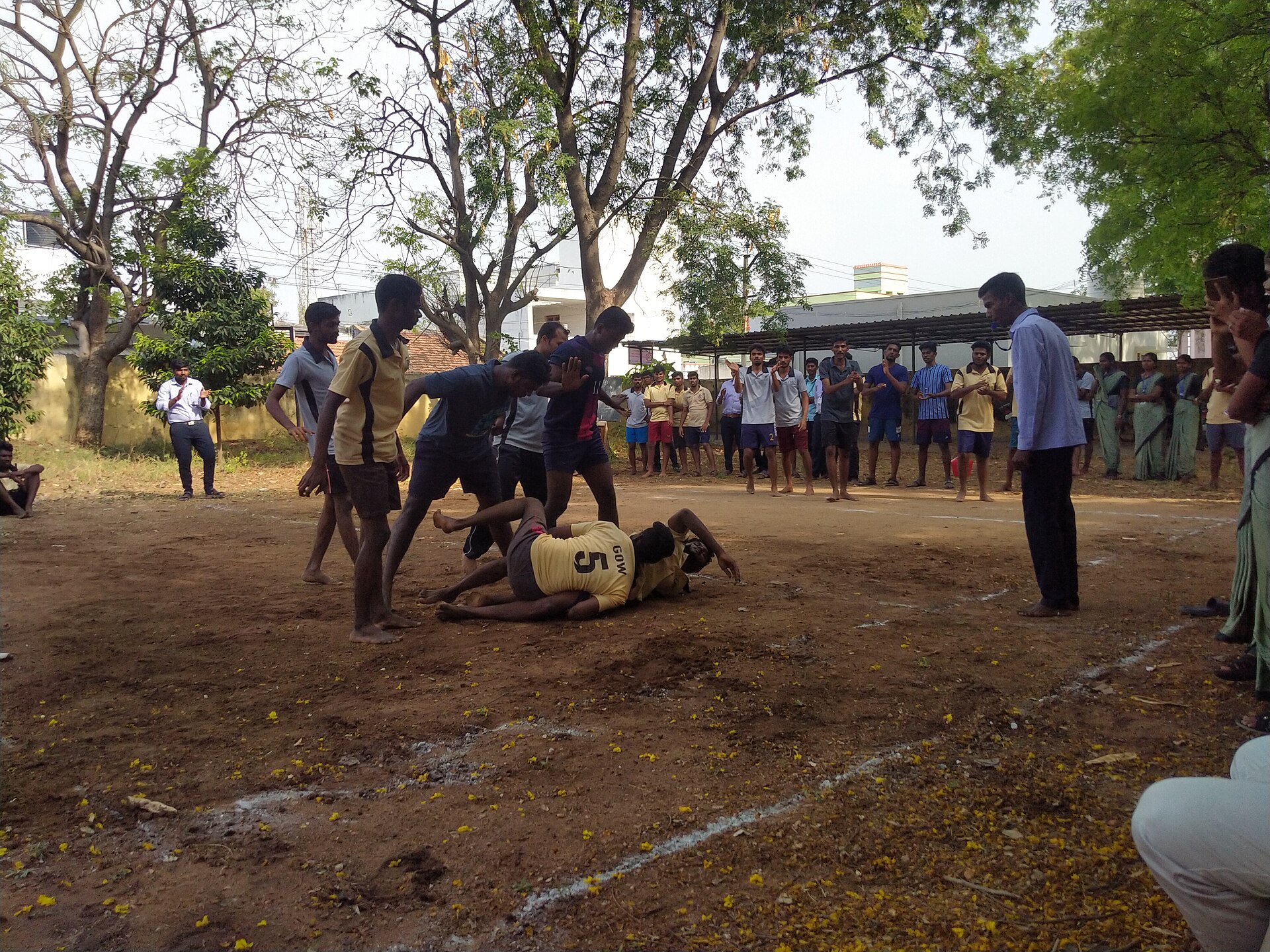
Kabaddi is one of the oldest sports in India, played in villages long before stadiums and television. Today it fills arenas and screens, yet many viewers still stare at the mat wondering what just happened. The kabaddi rules are actually quite clear once you understand the pattern: one player raids, seven defend, and every second counts.
Kabaddi rules: the setting
Two teams of seven players each take the mat in professional matches, with a few substitutes on the bench. The mat is divided into two halves by a centre line. Each team defends its own half. A match is usually played in two halves of twenty minutes, with a short break between them.
The raid
The heart of kabaddi is the raid. One player from the attacking team, the raider, crosses into the opponent’s half. His goal is to touch one or more defenders and return to his own half safely, all in a single breath. To prove he is doing this without drawing a breath, the raider must keep chanting the word kabaddi continuously. Modern professional games rely on a thirty-second raid clock instead, but the traditional chant remains part of the culture.
If the raider touches defenders and returns across the centre line, each defender he touched is out, and the raiding team scores a point for each one. If he is tackled and prevented from returning, the defenders earn a point.
Defence and tackles
Defenders work as a unit. They try to hold the raider, using ankle holds, thigh holds, chain tackles in which defenders link arms, and blocks. When they succeed in stopping the raider from returning to his half, he is out and the defending team gains a point.
- A successful raid: the raider touches defenders and returns.
- A successful tackle: defenders stop the raider returning.
- A super tackle: the defence captures the raider when they have three or fewer players on the mat, earning bonus points.
- A bonus point: the raider crosses a special line while the defence has enough players, even without touching anyone.
Out and revival
Players who are out must leave the mat and sit at the side. But they are not gone forever. Whenever the opposing team scores, one of its players who is out is revived and returns. So the number of players on the mat swings back and forth through the match, creating tension.
All out
If a team loses every player on the mat, the opponents score an all-out, which gives two extra points and puts all the other team’s players back into the game. An all-out can turn a match around quickly.
Do-or-die and other rules
If a team fails to score on two successive raids, the third raid becomes do-or-die. The raider must score a point or he is declared out, so teams plan these raids carefully. There are also rules for touching the boundary lines, which put players out if they step out of bounds. Referees watch these closely.
Empty raids, where the raider returns without touching anyone, score nothing for either side but use up the clock. Teams also use substitutes tactically, bringing in a specialist raider or a strong corner defender at crucial moments. These small decisions often decide close matches.
Skills to enjoy while watching
Watch the raider’s footwork, quick hand touches and the way he feints. Watch the defenders’ coordination when they hold their line. Notice how captains decide whom to send in. The sport mixes strength, agility, strategy and teamwork. Players are often athletes of great flexibility and speed.
If you want to try it, play kabaddi on soft ground or mats with supervision, and warm up properly, because tackles and quick turns can strain muscles. Children should play with adult guidance and age-appropriate rules.
Final whistle
Kabaddi is easier to follow than it looks. One raider, a pack of defenders and a clear scoring system make up the action. Watch a few raids, note the points and revivals, and you will soon be calling out tackles with everyone else in the room.
Related reading: Choosing a Sport for Your Child: A Parent's Guide · Cricket Basics: Understanding the Game from Scratch · How to Create Strong Passwords You Can Actually Remember
Photo: Sumathiraju, Wikimedia Commons (CC BY-SA 4.0)