Monsoon Travel Tips for India: Pack Smart, Plan Flexibly
Practical monsoon travel tips on packing, safe planning and choosing destinations that look best in the rains.
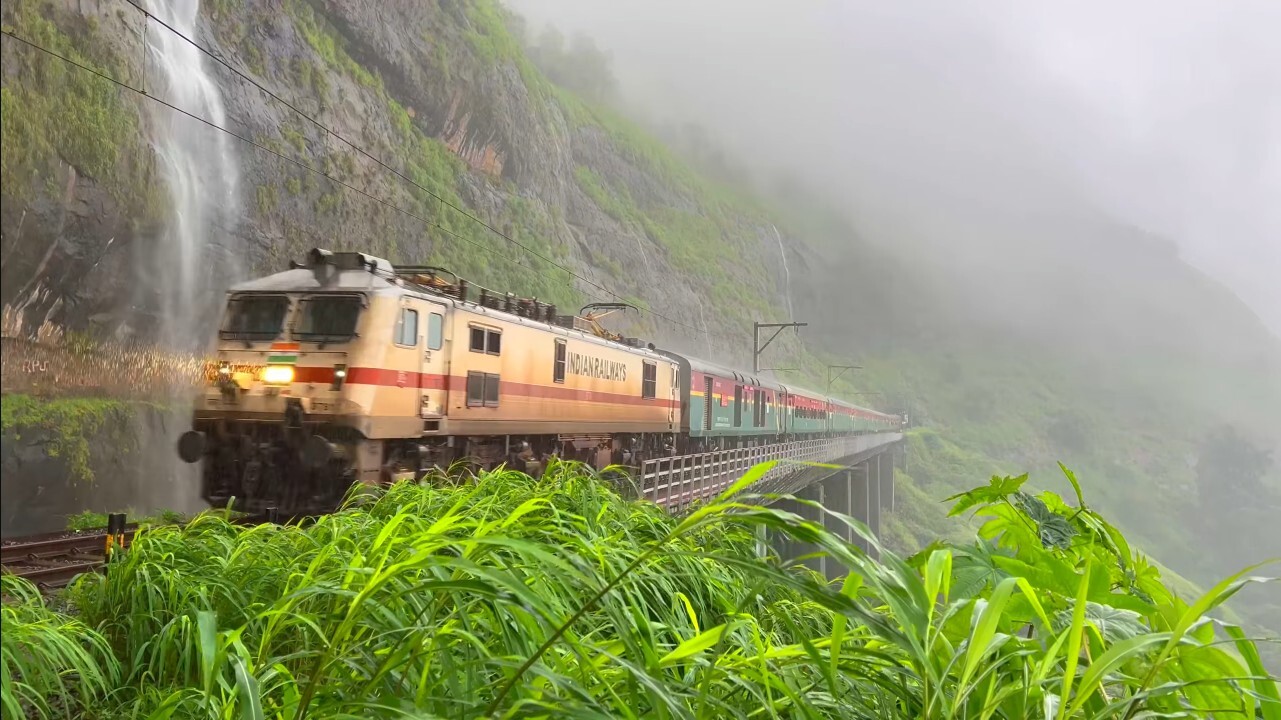
There is a reason poets keep writing about the rains. Hills turn emerald, waterfalls come alive and the air smells of wet earth. Yet many people skip travel from June to September because of delays and soggy luggage. With a few sensible monsoon travel tips, the season can become your favourite time to be on the road, and often a cheaper and quieter one too.
Monsoon travel tips: choose destinations that suit the rains
Not every place is at its best when wet. The Western Ghats, including parts of Kerala, Karnataka, Goa’s hinterland and Maharashtra’s hill country, are lush and dramatic. Meghalaya, known for heavy rainfall, is spectacular but needs flexible plans. Rajasthan’s lakes and forts often look far better after the rains arrive. Ladakh and Spiti, on the other hand, have their own seasonal rhythm, and some high routes face landslide risks.
Beaches in many coastal areas have rough seas during the monsoon, and swimming may be restricted for safety. If your heart is set on a beach, look for places with calm lagoons or enjoy the coast from a cafe instead of the water.
Plan with buffer days
Rain can slow roads, delay flights and shut trails. The most important adjustment is time. Build in a spare day, avoid tight connections and do not schedule a train or flight on the same evening as an important event. Book accommodation with free or flexible cancellation where possible.
- Check local weather forecasts a few days before travel, and again each morning.
- Ask your hotel about road conditions before you set off for the next leg.
- Avoid driving long hill stretches after dark in heavy rain.
- Keep one fully flexible day for visits you can do indoors, such as museums, markets and cafes.
What to pack
Think quick-dry and light. Synthetic or blended fabrics dry quicker than heavy cotton or denim. Carry a compact umbrella and a lightweight rain jacket, since umbrellas alone struggle on windy hill roads. Shoes matter more than anything: choose sandals with a good grip or trail shoes with a rugged sole, and bring a spare pair of socks.
Waterproofing is everything. Line your bag with a large plastic sheet or use dry bags for clothes, documents and electronics. Zip-lock bags keep phones, chargers and tickets safe. A small microfibre towel dries far faster than a regular one. Pack a couple of newspaper sheets or silica gel packets to absorb moisture from shoes and bags.
A small health kit
Include oral rehydration salts, antiseptic cream, bandages, an insect repellent and any regular medication. Leeches appear in some wet forests, and long socks with repellent help on trails. If you have a medical condition or are unsure which precautions suit you, speak to a doctor before travelling.
Eat and drink carefully
Stomach upsets rise in the rainy season because water and street food can carry more bacteria. Drink sealed or properly boiled and filtered water. Prefer freshly cooked, piping hot food and be cautious with cut fruit, salads and raw items from roadside stalls. That said, a hot cup of chai and freshly fried pakoras at a sheltered stall is one of the great joys of the season, so choose busy vendors with high turnover.
Stay safe on the move
Respect local warnings. If authorities close a waterfall, river bank or trek, do not argue with the sign. Flash floods and slippery rocks are real risks, and photos are not worth them. Avoid crossing flooded roads, even if they look shallow, because depth and current are hard to judge. Stay away from the edges of cliffs and fast streams and never take selfies near waterfalls where the rock is slick.
Share your itinerary with someone at home, keep your phone charged and download offline maps, since mobile signals can drop in valleys. In hill areas, ask locals about landslide-prone patches. They know the roads better than any app.
The upside of travelling in the rains
Crowds thin out, hotel tariffs often drop and everything looks freshly washed. Photographers love the soft light and dramatic clouds. Local festivals, tea estates in flush season and Ayurvedic wellness traditions in Kerala often have a special monsoon character. Slow your pace, enjoy long meals and let the weather set part of the schedule.
Conclusion
Travelling in the rains asks for flexibility more than courage. Pack waterproof, plan buffer days, eat sensibly and respect local warnings. Do that, and you may find yourself standing under a dripping tin roof with a hot cup of tea, wondering why you ever waited for the sun.
Related reading: Solo Travel Tips for Your First Trip Within India · Train Travel in India: A First-Timer's Practical Guide · Note-Taking Methods That Help You Understand and Remember
Photo: Kshitij08, Wikimedia Commons (CC0)