Train Travel in India: A First-Timer’s Practical Guide
A plain-spoken guide to booking, boarding and enjoying your first long Indian Railways journey without stress.
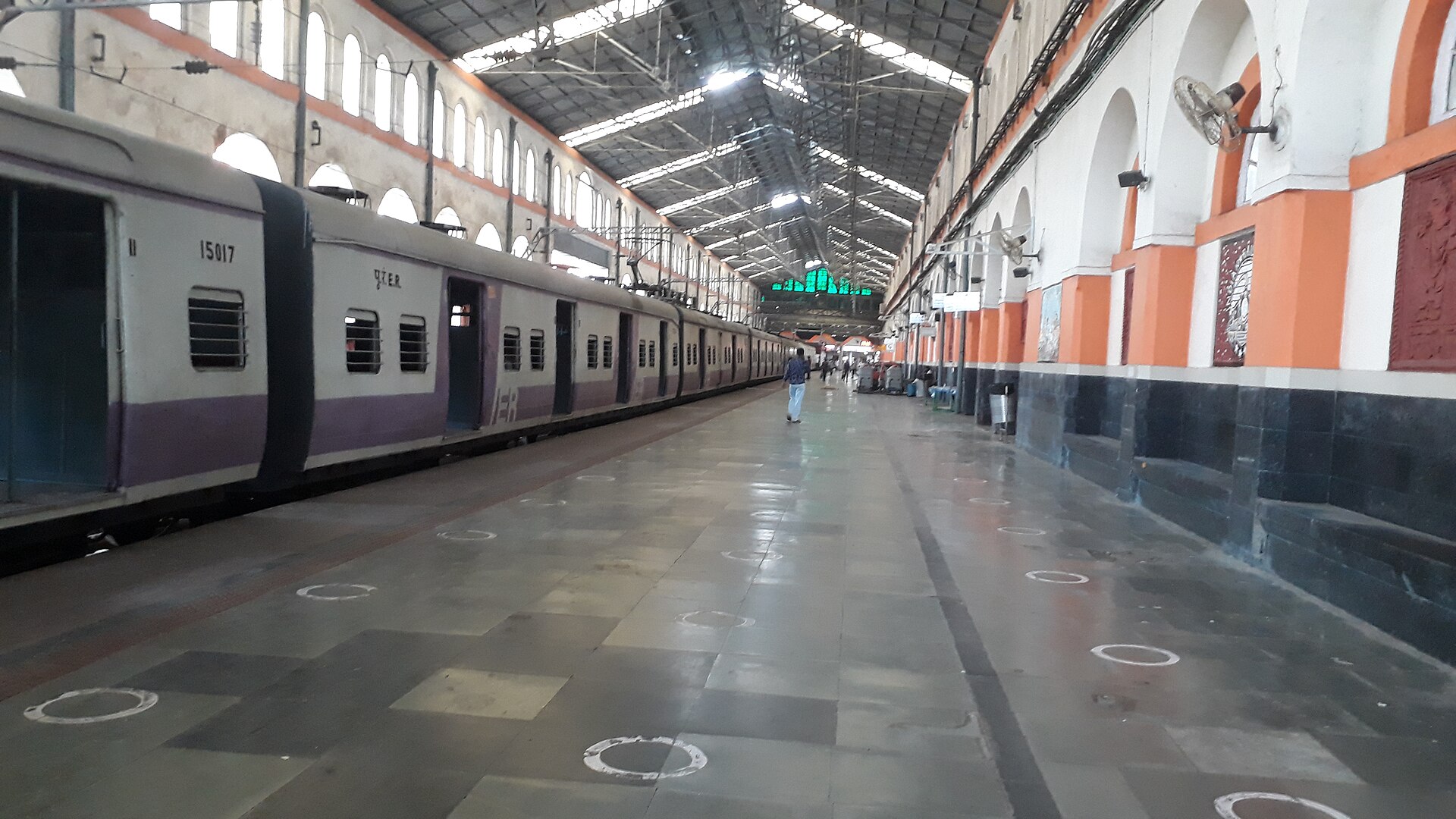
Few experiences feel as quintessentially Indian as a long train ride: chai through the window, strangers sharing snacks, fields sliding past in the afternoon light. But if you have never done it, train travel India style can look intimidating, with its classes, quotas, waiting lists and station announcements. The good news is that once you understand a handful of basics, the system is far friendlier than it looks.
Train travel India: understand the classes before you book
Indian Railways offers several classes, and the right one depends on your budget and how long you will be onboard. Sleeper class is the most economical and is open and often crowded, with fans rather than air conditioning. Third AC and Second AC give you curtained berths, bedding and a cooler cabin, with Second AC being roomier. First AC offers lockable cabins. For daytime journeys, chair car seats are common and comfortable enough.
If this is your first long trip, an AC class is usually the gentler introduction. You sleep better, your luggage feels safer, and the coach tends to be quieter. For short daytime hops, a chair car is perfectly fine and cheaper.
Booking without the headaches
Reservations open well in advance, so plan early for festival periods and school holidays. Popular routes fill up quickly. If your preferred train is full, you may be offered a waiting list or RAC (reservation against cancellation) ticket. RAC means you are guaranteed a seat, though you may share a berth until a cancellation frees one. A waiting list ticket may or may not confirm, so do not bank on it for an important journey.
- Keep an ID handy that matches the name on your ticket, since checks do happen.
- Check the train number, not just the name, because similar names exist on the same route.
- Note the boarding station carefully, especially in cities with several major stations.
- Look at alternatives such as a train the day before if your date is full.
Packing for a night on the rails
The less you carry, the easier everything becomes. A medium bag you can lift into the luggage rack yourself is ideal. Bring a thin shawl or light blanket even in warm months, because AC coaches can get chilly. A small chain or cable lock for your bag, a torch, a power bank, wet wipes, a roll of tissue and a small bottle of hand sanitiser are all quietly useful.
Keep valuables, your phone and your wallet in a small bag that stays with you, even when you sleep. Many seasoned travellers put it under the pillow end of the berth. Charging points exist but do not always work, so a charged power bank saves you.
Food, water and etiquette onboard
Meals are available through pantry cars on some trains and through vendors at stations. Many travellers carry home-cooked food for the first meal, such as parathas, puri-sabzi or lemon rice, which keep well for several hours. Pack fruit, nuts or biscuits for the gaps. Buy sealed bottled water instead of filling from unknown taps.
A little courtesy goes a long way. Ask before switching on bright lights at night, keep phone calls short and use earphones. Lower berth passengers often let others sit during the day, and when night falls, the middle berth gets folded down. Offering to swap a seat for an elderly traveller is the kind of small kindness people remember.
If you miss the train or face a delay
Delays happen, especially in winter fog season. Check running status on the official railway channels before leaving home, and arrive at the station about 45 minutes early for a long-distance train. If your train is badly delayed, ask station staff about refund rules instead of guessing. Keep a screenshot or printout of your ticket in case your signal drops.
Safety and small comforts
Know your coach number and the position of your berth before the train arrives, since platforms can be chaotic. Coach position boards or the digital display usually show where each coach will stop. Board early, store luggage under your lower berth where possible, and note which stations come before your own so you are not surprised at three in the morning.
If you are travelling alone, introduce yourself to a neighbouring family or fellow passenger. A friendly conversation makes the hours pass quickly and gives you someone to confirm stop names with. Set a phone alarm for about thirty minutes before arrival, and do not rely on waking up by instinct.
Do not forget the pleasure of it. Keep a book, a playlist and a window seat in mind. Watch the landscape change from dry plateau to green paddy to river bridge. Many people say the journey itself becomes the holiday.
Final thoughts
Your first long train journey will teach you most of this on its own, but a little preparation turns nervousness into anticipation. Pick the right class, book early, pack light and travel with patience. By the second trip, you will probably have your own favourite snack, your own preferred berth and a story to tell about the stranger who shared their pickle with you.
Related reading: Slow Travel in India: Fewer Places, Deeper Memories · Solo Travel Tips for Your First Trip Within India · How to Stay Hydrated During the Indian Summer
Photo: Pinakpani, Wikimedia Commons (CC BY-SA 4.0)