Slow Travel in India: Fewer Places, Deeper Memories
How to swap a packed itinerary for fewer destinations, longer stays and a trip that actually feels like a holiday.
Many of us come home from holidays needing another holiday. We tick off a fort, a lake, a temple, a market and a sunset point in a single day and remember almost none of it. Slow travel India offers a different idea: choose fewer places, stay longer and let each place show you something beyond its famous photograph.
What slow travel India really means
Slow travel is not about spending more money or having lots of free time. It is a mindset. Rather than treating a destination as a checklist, you treat it as a place where people live. You might stay four nights in one village instead of one night each in four towns. You walk instead of taking a cab. You sit in the same tea shop twice and the owner starts to recognise you.
This approach suits India particularly well. The country is huge, distances are long and transfers eat time. A two-week trip with seven hotels can turn into a series of train stations and check-in counters.
How to plan a slower itinerary
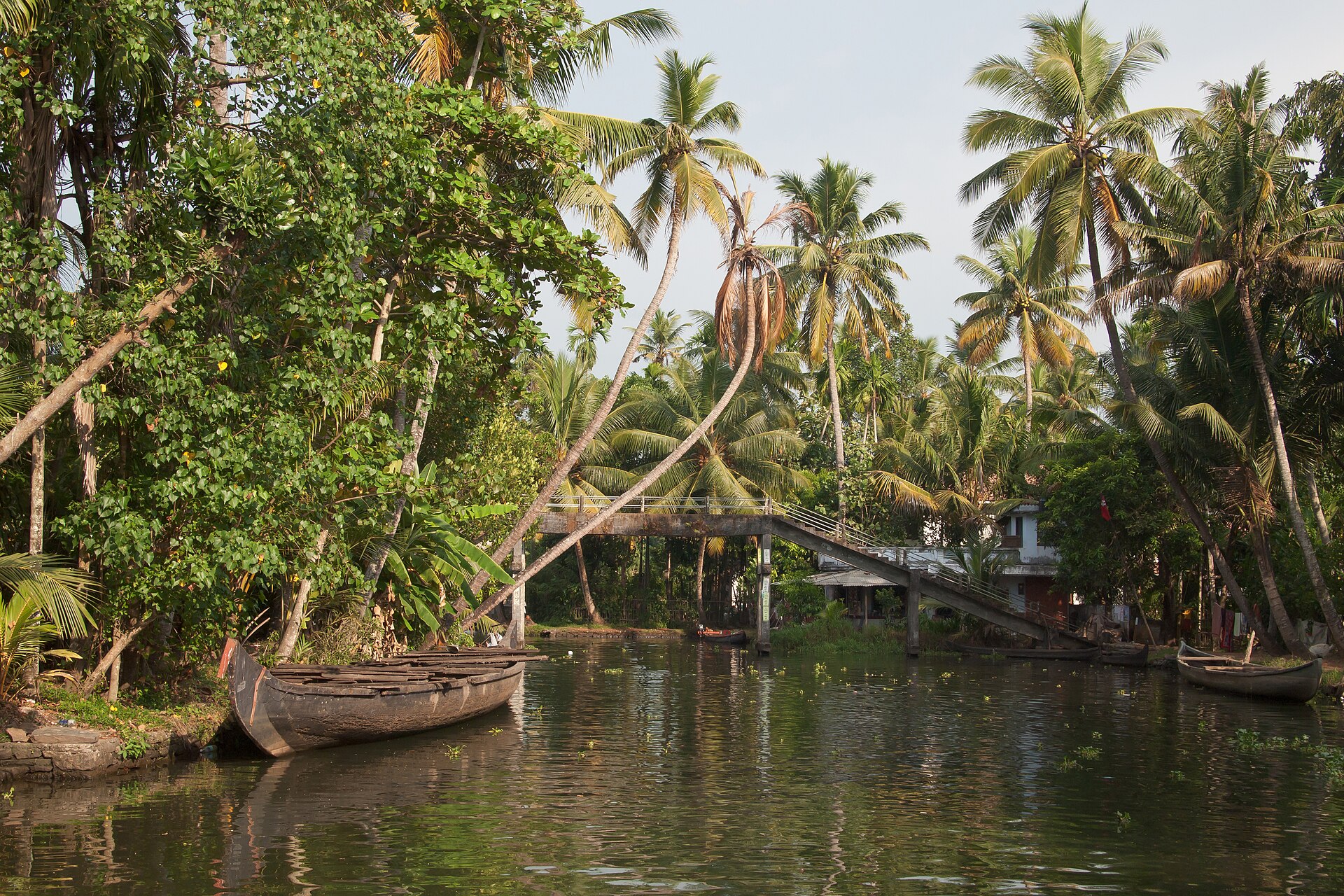
Start by choosing one region rather than the whole country. Kerala’s backwaters and hill country, the Konkan coast, the Kumaon hills, Rajasthan’s Shekhawati region or the Kutch area of Gujarat each reward a week of staying put. Then pick one or two bases and make day trips from them.
- Set a rule of no more than one major sight per day.
- Leave one afternoon in every two days with nothing planned.
- Book your first and last nights in advance, and leave the middle flexible.
- Travel by train or bus for short hops, as it gives you views and conversation.
Stay where you can meet people
Homestays, small family-run guesthouses and heritage homes let you eat local food and hear local stories. Hosts often give better advice than any website: which path is quiet at dawn, which bakery sells out by nine, which festival is happening next week. Choose properties run by local families when you can, and check recent reviews for honest feedback.
Eating at the same place for several days also lets you try different dishes and ask about them. Many travellers say their best memories are a recipe explained in a kitchen or a lesson in a weaving shed.
Walk, cycle, sit
Walking is the heart of slow travel. Wander through a weekly market, follow a lane to a riverbank, watch the evening aarti or the fishermen bringing nets in. Rent a bicycle in places where it is safe. Carry a notebook, and sit somewhere for twenty minutes with no phone. You will be amazed at what you notice.
Does slow travel cost more or less?
Often less. You pay for fewer transfers, fewer entry tickets and fewer restaurant meals chosen in a hurry. Longer stays can also earn better room rates, since many small hotels offer discounts for multi-night bookings. The costs that rise are usually time and, occasionally, a nicer room because you actually spend time in it. Compare your costs before and after to see what suits your budget.
Respect the places you stay
Slower travel carries a responsibility. Buy from local shops, pay fair prices and ask before photographing people. Keep noise down in villages, carry your waste out of natural areas and avoid single-use plastic where possible. Learn a few words of the local language, such as greetings and thank you. People warm up when you try.
Handling the urge to see everything
The hardest part is fear of missing out. You may worry you are not getting your money’s worth. Remind yourself that a trip is not a competition. Choose two or three things that matter most to you, such as a particular temple, a wildlife reserve or a food you want to eat, and let everything else be a bonus.
If you travel with family, involve everyone in planning. Children often enjoy a longer stay with space to play more than another long drive. Elders appreciate fewer packing and unpacking days. A slower trip can be kinder to everyone’s energy.
A closing thought
You do not need a month off to try slow travel. Even a long weekend works if you stay in one neighbourhood and refuse the urge to sprint. Next time you plan a trip, delete one destination from the list and add one extra night to another. That small change might become your favourite way to see India.
Related reading: Monsoon Travel Tips for India: Pack Smart, Plan Flexibly · Solo Travel Tips for Your First Trip Within India · Shopping for Second-Hand Clothes: Smart Tips for Good Finds
Photo: Vyacheslav Argenberg, Wikimedia Commons (CC BY 4.0)