How to Plan a Budget Trip in India Without Cutting Joy
A step-by-step approach to planning an affordable holiday in India, with real savings on transport, stay and food.
A holiday does not have to drain your savings to be memorable. Some of the best trips are the simplest: a night train, a modest guesthouse and a plate of local food at a busy stall. The trick is to be deliberate about where money goes. This guide to budget travel planning will help you make choices before you leave so that you are not worrying at the checkout counter.
Budget travel planning starts with a number
Decide the total you are comfortable spending, then split it into rough buckets: transport, stay, food, activities and a cushion. A common approach is to put the largest share into transport and stay, and keep about ten percent aside for the unexpected. Write the figures down. A rough plan on paper is far better than none.
Remember to include small items that add up: entry tickets, local cabs, tips, laundry and water. Many people forget these and later wonder where the money went.
Be flexible with dates and routes
The same trip can cost very different amounts depending on when you go. Travelling outside school holidays and long weekends often brings lower fares and room rates. Midweek flights and trains are usually cheaper and quieter. Shoulder seasons, when weather is pleasant but crowds are thinner, are well worth considering.
- Book trains and buses early, as prices and availability tighten near the date.
- Compare nearby airports or stations if it saves a significant amount.
- Choose overnight journeys to save a night’s room rent, if you can sleep on the move.
- Check state transport buses, which are often cheap and well connected.
Choose stays that match your needs
You are mostly going to use your room to sleep and shower. A clean, safe and well-located budget guesthouse or a homestay often beats an expensive hotel that is far from everything. Read recent reviews and look closely at photos of bathrooms and bedding. Dormitories can be good value for solo travellers, and some places offer free breakfast, which saves money.
Staying in a central area can reduce your transport costs, because you can walk to many sights. Ask whether there is a discount for longer stays.
Eat like a local
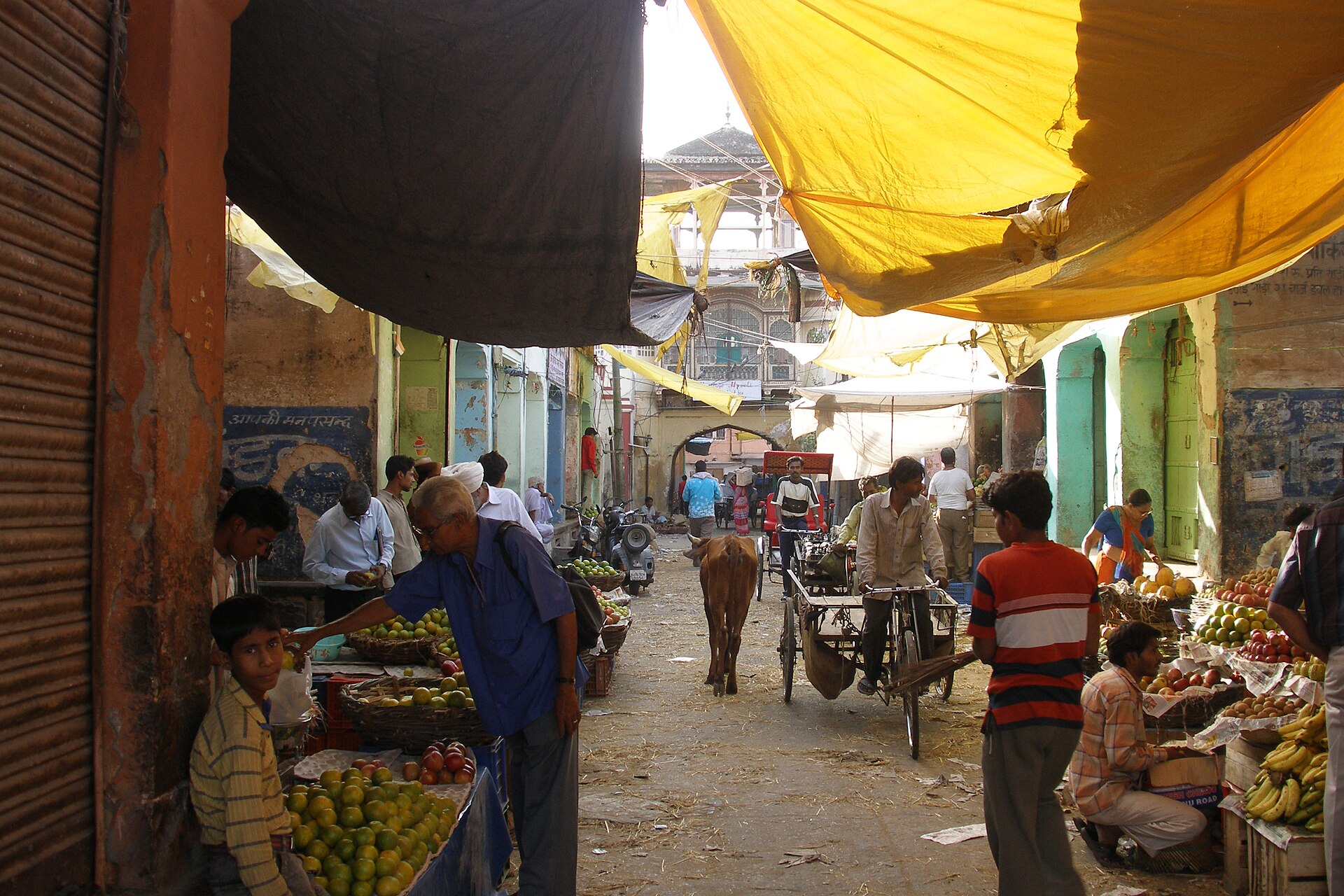
Food is one of the easiest places to save while enjoying the trip more. Local thalis, tiffin centres, dhabas and bakeries serve fresh food at honest prices. Look for busy places where people queue, since turnover usually means freshness. Have your largest meal at lunch, when many places offer set meals, and keep dinner lighter.
Carry a refillable water bottle. Buying bottled water at every stop adds up and creates plastic waste. Filtered water points or sealed refills are better.
Free and low-cost things to do
Many of the best experiences cost little: walking through old neighbourhoods, sunrise at a ghat, visiting a weekly market, entering a temple or gurudwara where people welcome visitors, watching sunset from a public beach. Check whether museums and monuments have discounted days or tickets. Combined tickets for multiple sites can also save money.
Watch the leaks
Small spending decisions often matter more than big ones. Auto-rickshaw and cab fares without meters can be inflated for visitors, so ask your hotel for typical prices or use a metered service. Shopping at tourist-heavy spots often costs more than markets a few streets away. Decide in advance what you want to buy, and bargain politely.
Pay attention to foreign exchange or card fees if they apply, and avoid withdrawing cash repeatedly in small amounts. Keep a note of expenses each evening. It takes two minutes and keeps you in control.
Do not cut the wrong things
Saving money should not mean skipping safety or health. Do not choose an unsafe room just to save a few hundred rupees. Keep travel insurance in mind for longer or riskier trips, and carry basic medicines. Sometimes a slightly higher spend on a sturdy pair of shoes or a reliable bus is worth it.
In closing
Budget travel is mostly about attention. Set a number, plan around it, travel at quieter times and spend where it matters most to you. You will often discover that the trips with the smallest budgets give the strongest stories, because you were closer to the everyday life of the places you visited.
Related reading: Monsoon Travel Tips for India: Pack Smart, Plan Flexibly · Slow Travel in India: Fewer Places, Deeper Memories · Warm-Up Exercises Before Sports: A Simple Routine
Photo: This image was taken by Vyacheslav Argenberg
If you have any questions, comments, Wikimedia Commons (CC BY 4.0)