Better Sleep Habits for Tired Adults: A Gentle Guide
Good sleep is built through small daily choices. Here are gentle habits that help you rest and wake up fresher.
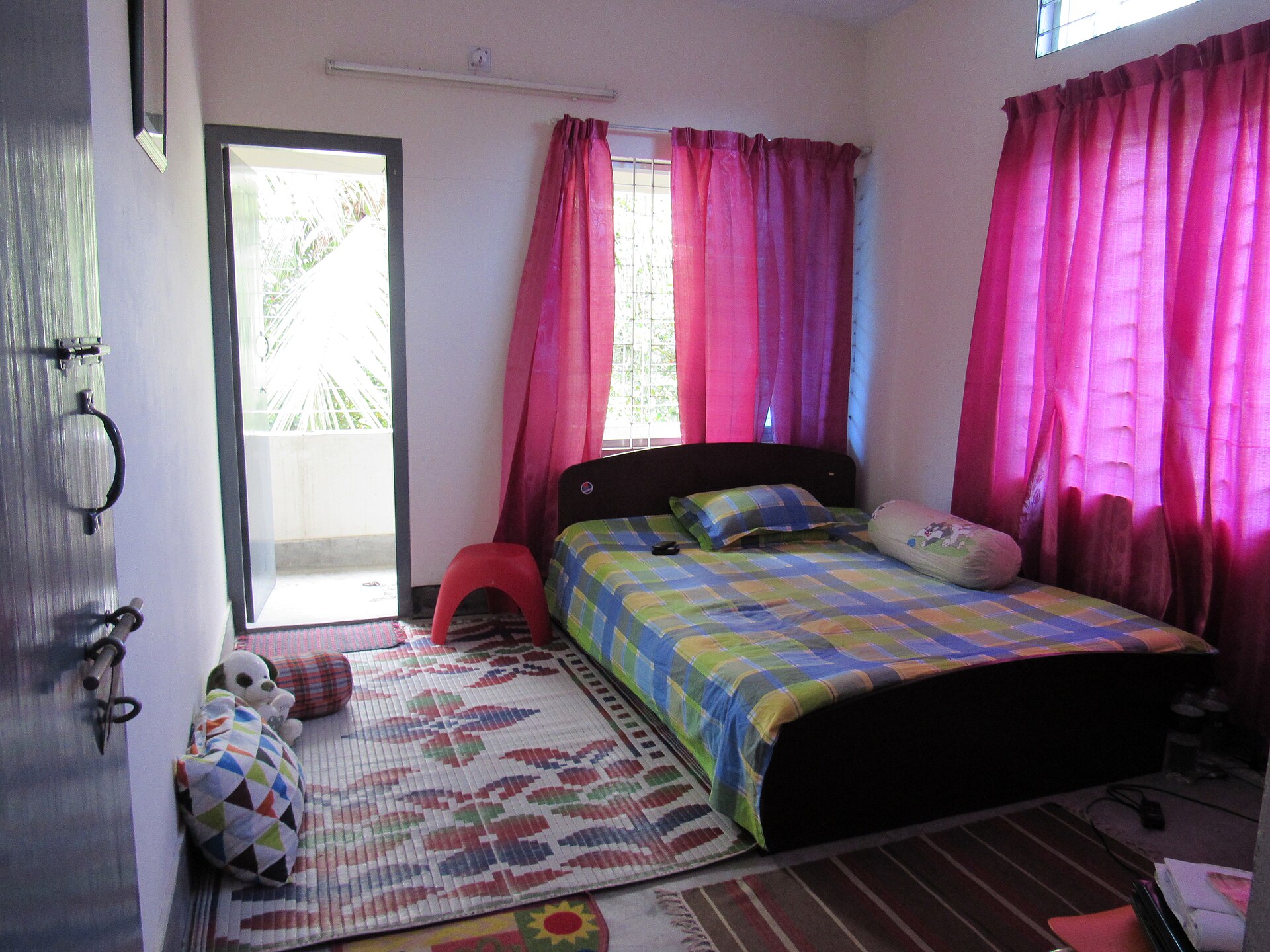
Late-night work, long commutes, noisy streets and a phone that never stops glowing: it is no surprise that many adults feel tired even after a full night in bed. Sleep is not a luxury. It supports mood, memory, energy and general health. The encouraging part is that better sleep habits are usually simple and cost nothing. You do not have to fix everything at once, so choose one or two ideas and try them for a couple of weeks.
Keep a regular schedule
Your body runs on an internal clock, and it likes regularity. Going to bed and waking up at roughly the same time every day, including weekends, helps that clock settle. Sleeping very late on Sunday and then struggling on Monday morning is a common pattern. If you want to change your schedule, shift your bedtime by 15 to 30 minutes at a time rather than all at once.
Most adults do well with around seven to nine hours, though needs differ from person to person. Notice how you feel in the morning and during the day, since that tells you more than any number.
Create a better sleep habits routine for the evening
The hour before bed is when you tell your body that the day is ending. A small, repeated routine makes falling asleep easier.
- Dim the lights in the house and lower the television volume.
- Have a light dinner at least two to three hours before bed, since heavy and spicy meals can disturb sleep for some people.
- Take a warm bath or wash your face and feet, and change into comfortable clothes.
- Read a few pages of a book, listen to soft music or do some gentle stretching.
- Write down tomorrow’s tasks so that they do not circle in your head.
Handle the phone wisely
Scrolling in bed keeps your mind busy and the bright screen can delay sleepiness. Try to stop using screens 30 to 60 minutes before sleep, and charge your phone away from the bed. If you need an alarm, a simple clock works well. If you wake in the night, avoid checking messages or the time repeatedly.
Watch caffeine, food and drink
Tea and coffee can stay in your body for many hours. If you have trouble sleeping, avoid them after the afternoon, and remember that cola drinks, energy drinks and some chocolates also contain caffeine. Alcohol and smoking may make you drowsy at first, but they usually harm the quality of sleep. Drink enough water during the day, but taper off in the late evening so you do not wake up repeatedly for the bathroom.
Make your bedroom friendly to sleep
A comfortable room helps your body relax. Aim for a space that is dark, quiet and reasonably cool. In hot weather, a fan or cooler, light cotton bedding and a damp cloth on the forehead can help. If streetlights or early sunlight disturb you, try thicker curtains or an eye mask. For noise, earplugs or a steady fan sound can mask sudden sounds.
Try to keep the bed for sleep. Working or watching videos on the bed teaches your mind to associate it with alertness. If you cannot fall asleep after about 20 minutes, get up, sit in dim light, do something calm, and return when you feel sleepy. Lying there frustrated usually makes it worse.
Move, get daylight and manage worries
Regular physical activity, such as a brisk walk, tends to improve sleep, though intense exercise very close to bedtime may leave some people feeling too alert. Morning or afternoon sunlight also helps your body clock, so step outside for a few minutes each day.
Worry is a major cause of sleepless nights. Slow breathing, a short prayer or meditation, or talking through a problem with someone you trust during the day can ease the load. Keep a notebook by the bed for thoughts that arrive at night.
Daytime naps
A short nap of 20 to 30 minutes in the early afternoon can refresh you. Long or late naps may make it harder to sleep at night, so keep them brief if you notice this.
When to see a doctor
Everyone has a bad night now and then. But if you regularly cannot fall asleep, wake up often, snore loudly, feel breathless at night, or stay exhausted during the day despite enough time in bed, speak to a doctor. Conditions such as sleep apnoea, thyroid problems, anxiety or low mood can affect sleep and need proper evaluation. Please do not start sleeping tablets on your own. This is general wellness information and not a substitute for medical advice, so please consult a doctor for personal concerns.
Small steps, repeated patiently, tend to work best. Keep a steady schedule, wind down in the evening, limit caffeine and screens, and make your room comfortable. Give each change a couple of weeks, and your sleep may slowly begin to feel like rest again.
Related reading: Desk Job and Back Pain: Simple Ways to Ease the Strain · Simple Ways to Manage Daily Stress in Everyday Life · Starting a Home-Based Business: A Practical First-Year Guide
Photo: Afifa Afrin, Wikimedia Commons (CC BY-SA 3.0)


[…] reading: Better Sleep Habits for Tired Adults: A Gentle Guide · Daily Walking: Benefits and How to Start Without Pressure · Active Recall: A Better […]