Choosing a Sport for Your Child: A Parent’s Guide
A calm guide for parents on picking a sport, finding good coaching and keeping play enjoyable for children.
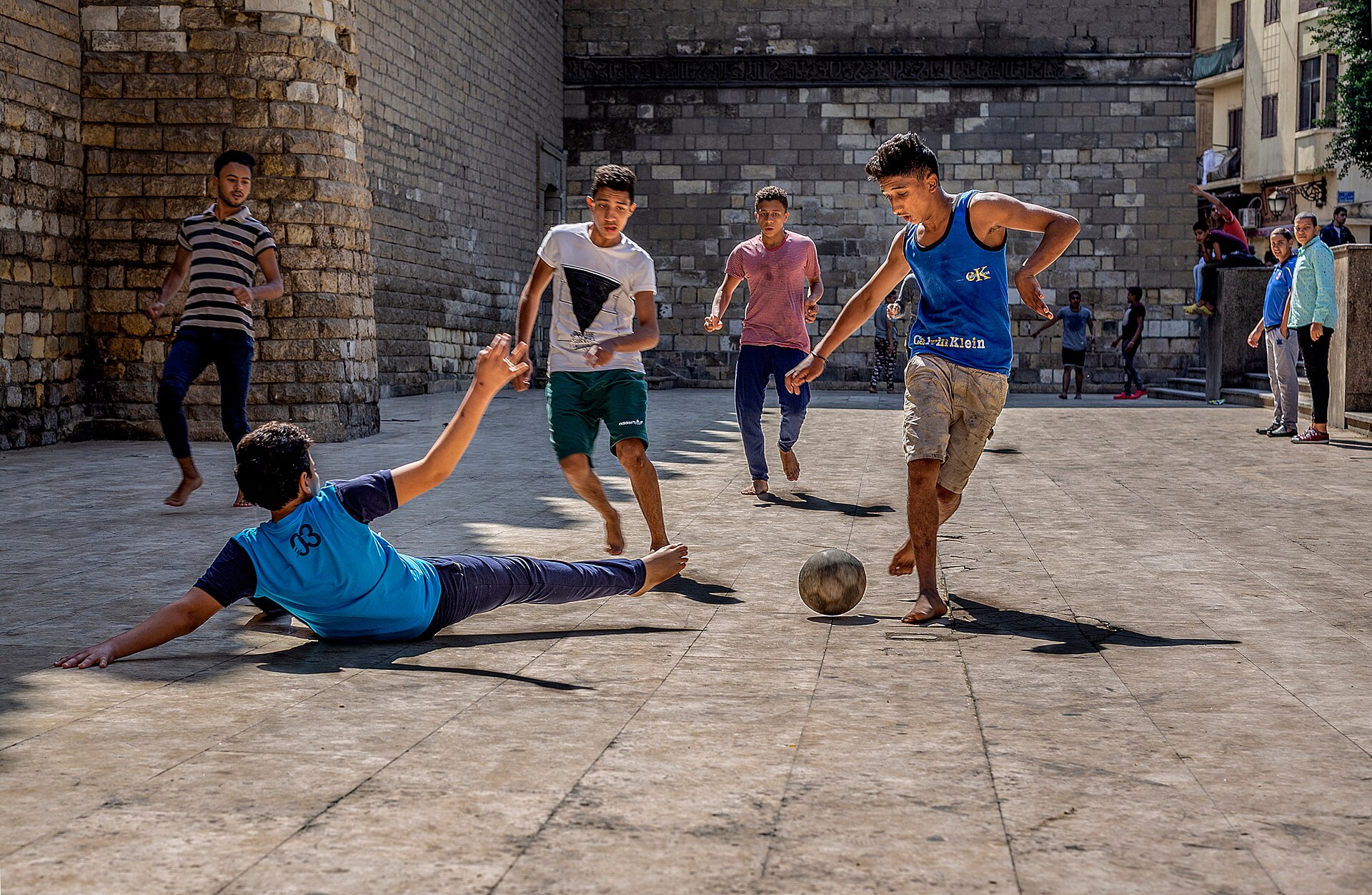
Every parent wants to give their child a healthy, happy childhood, and sport can be a wonderful part of it. But with cricket academies, badminton coaching, swimming classes and football clubs all competing for your attention, the choice can feel stressful. When it comes to kids sports, a gentle, child-centred approach tends to work better than chasing trophies.
Kids sports: start with fun, not ambition
Young children benefit most from simply moving: running, jumping, throwing, climbing and playing with others. Before the age of about eight, variety matters more than specialisation. Let your child try different games, such as running games, swimming, cycling, simple ball sports and dance. They develop coordination, confidence and friendships, and they also find out what they enjoy.
Early pressure to perform can make children dread something they might have loved. Praise effort, teamwork and improvement rather than only winning.
Match the sport to the child
Notice your child’s temperament. A child who loves company may thrive in team games like football, kabaddi or hockey. A quieter child may prefer individual sports such as swimming, athletics, badminton or martial arts, where progress depends on personal effort. Energetic children may need lots of running. Others enjoy precision sports like archery or chess-like strategy games.
- Consider your child’s age, build and interests.
- Ask what they like about the game, such as speed, ball skills or friends.
- Check how far the venue is, since long commutes drain enthusiasm.
- Consider your family schedule and budget realistically.
- Allow trials before paying for long memberships.
Look for a good coach and environment
A coach shapes a child’s experience more than the sport itself. Look for someone patient, encouraging and clear about safety. Visit a session before enrolling. Do children seem happy? Do they get enough turns rather than waiting on the sidelines? Is there supervision, drinking water, a first-aid kit and proper equipment?
Be careful with programmes that promise quick results, demand heavy training at a very young age or put children down for mistakes. Good coaching builds skill gradually and respects the child’s body.
Safety and health
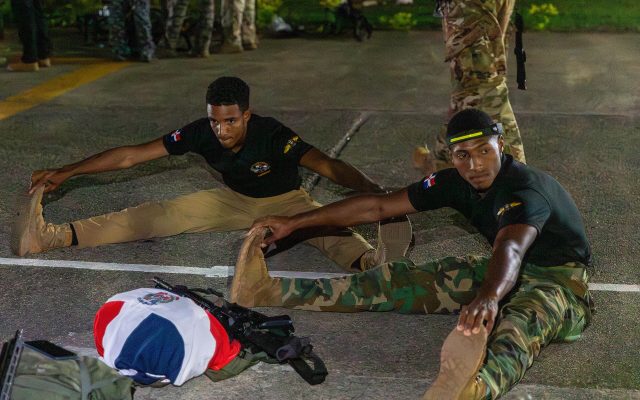
Ensure the right protective gear, such as helmets for cycling or cricket, shin guards for football and proper footwear. Warm-ups and cool-downs matter even for children. Make sure they drink water, eat a balanced diet and rest enough. If your child has any medical condition or you notice pain that does not go away, consult a doctor before continuing.
Questions to ask your child
Instead of choosing for them, ask simple questions. Which game did you enjoy most this week? Do you prefer playing with friends or by yourself? Would you like to try something new? Children often reveal more through play than through answers, so watch which games they invent on their own in the park or the lane outside your home. Their natural choices are a good clue to what they might enjoy in an organised setting.
Balance sport with study and rest
In many households, sport is the first thing to go when exams approach. Try to keep some physical activity even in busy times, because it helps concentration and mood. Equally, avoid scheduling every evening with training. Children need unstructured play, family time and plenty of sleep.
Watch for signs of burnout: reluctance to go, constant tiredness, frequent minor injuries or loss of interest. If these appear, talk to your child and reduce the load.
Your role as a parent
Cheer from the sideline without shouting instructions that contradict the coach. After a match, ask whether they had fun before asking about the score. Let them lose gracefully and win humbly. Offer lifts, snacks and company, and let the child own the experience.
Be open to change. A child who loves swimming at nine may want football at eleven, and that is healthy. The point is not to find the one perfect sport but to build a lasting love of movement.
A closing thought
The best sport for a child is one they want to return to. Offer variety, choose a kind coach, protect their health and keep the atmosphere light. If you do, you give them skills, friendships and confidence that last long after the final whistle.
Related reading: Running for Beginners: A Gentle First-Month Plan · Warm-Up Exercises Before Sports: A Simple Routine · What Is Inflation and Why Do Prices Keep Rising?
Photo: Mohamed Hozyen Ahmed, Wikimedia Commons (CC BY-SA 4.0)