How to Get Clothes Tailored Well: A Guide to Working With Your Tailor
Clear communication and a few preparation steps help you get clothes that fit properly the first time.
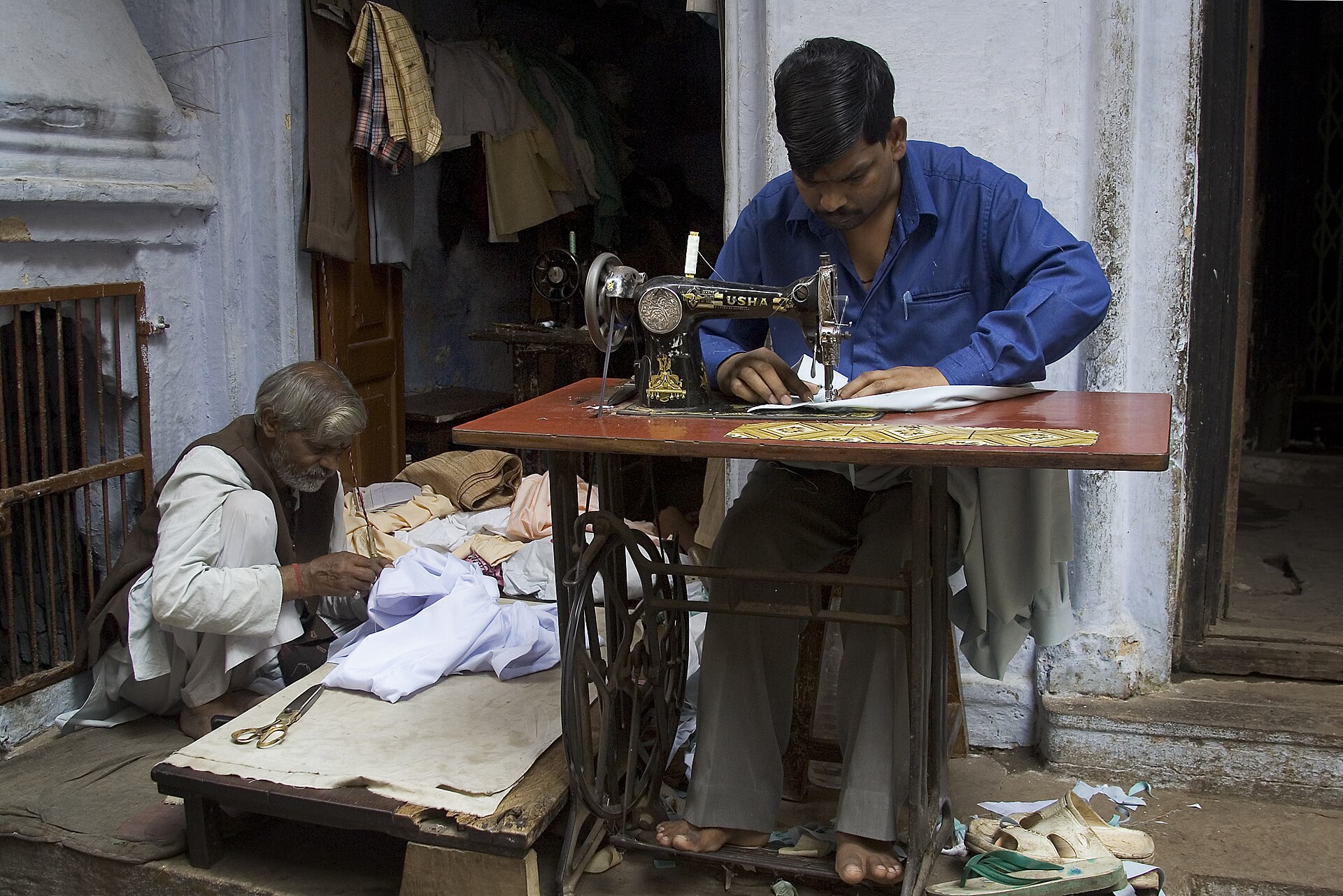
Ready-made clothes are made for an average body, and almost nobody is exactly average. That is why a well-fitting outfit from a good tailor often looks far better than an expensive garment off the rack. Yet many of us have had the disappointment of collecting a blouse or shirt that is too tight, too long or simply not what we imagined. Getting tailored clothes right is mostly about preparation and clear communication, and you can improve both with a few simple habits.
Choose your tailor carefully
Ask family and friends for recommendations. Look at clothes your tailor has made for others, especially ones in styles similar to what you want. Visit the shop and observe how organised it is, whether they keep records and whether they talk with you about the details.
Begin with a small, simple job such as a plain kurta or a basic shirt, before trusting them with a wedding outfit. This builds understanding, and you can see how they handle fitting and delivery.
Prepare before you visit
Good preparation avoids misunderstandings.
- Bring a reference. Photos, sketches or a favourite garment that fits well help communicate what you want.
- Decide on details. Think about neckline, sleeve length, fall, lining and closures before the visit.
- Buy fabric thoughtfully. Check how much your tailor needs, and pre-wash cotton to avoid later shrinkage.
- Wear suitable undergarments. Measurements and fittings should be taken with what you will actually wear under the outfit.
Ask for a clear delivery date and an estimated price. Make a note of them or ask the tailor to write them in the receipt book.
Take measurements and fittings seriously
Stand naturally when being measured, without holding your breath or tensing your shoulders. Mention any fit preferences, for example that you like sleeves slightly loose or a blouse with more room across the back. If you have an uneven shoulder or any other special feature, say so.
For anything important, ask for a trial fitting before the final finishing. It is easier to adjust seams at that stage than after everything is complete. At the fitting, move around, sit, raise your arms and walk, to check whether it is comfortable. Mark places that pinch or sag and ask the tailor to explain what can be altered.
Give feedback politely and specifically
If something is wrong, point to the exact spot: sleeve too tight at the upper arm, hem about an inch too long, neckline sitting too low. Vague comments such as it does not look right are hard to fix. Politeness goes a long way, because a tailor who feels respected will often take extra trouble with adjustments.
Be realistic too. Tailors can take in fabric easily, but letting out is limited by how much seam allowance remains. Mention if you expect weight changes so they can leave extra allowance in the seams.
Use tailoring to extend the life of clothes
A tailor does more than make new clothes. Alterations can rescue garments you almost never wear. Shortening a hem, adjusting sleeves, taking in a waist or replacing a worn lining often costs far less than buying something new, and the result can feel custom made.
Keep a note of your measurements with the date, and refresh them every year or so. When you find a tailor who understands your taste and fit, treat the relationship as a long-term one. Pay fairly and on time, and you may find your clothes becoming the best-fitting in your cupboard.
Do not hesitate to ask questions during the process. A good tailor will gladly explain why a certain style suits a certain fabric, or why a lining is needed. These conversations teach you what to expect and help you spot a tailor who truly cares. Keep paper or photo records of designs you liked, so that repeat orders are easy. Over time, you will find that tailoring becomes less of a gamble and more of a creative partnership that serves you well for years.
A great fit does not need a high budget. It needs the right tailor, a clear idea of what you want, careful measuring and honest feedback. Invest a little time in the process, and your clothes will repay you every time you wear them.
Related reading: Best Fabrics for Indian Summers: Staying Cool and Looking Good · Building a Capsule Wardrobe That Works for Indian Life · Starting a Home-Based Business: A Practical First-Year Guide
Photo: Jorge Royan, Wikimedia Commons (CC BY-SA 3.0)