Cricket Basics: Understanding the Game from Scratch
A friendly explanation of how cricket works, from runs and wickets to Tests, ODIs and T20s.
If you have ever sat in a room where everyone is shouting at the television and you have no idea why, this is for you. Cricket looks complicated, but the cricket basics are quite simple once someone explains them in plain words. Here is a calm introduction to how the game works, so the next match makes sense.
Cricket basics: the idea of the game
Two teams of eleven players take turns to bat and bowl. The batting team tries to score as many runs as possible. The fielding team tries to get batters out and limit runs. After both teams have batted, the one with more runs wins. That is the heart of it.
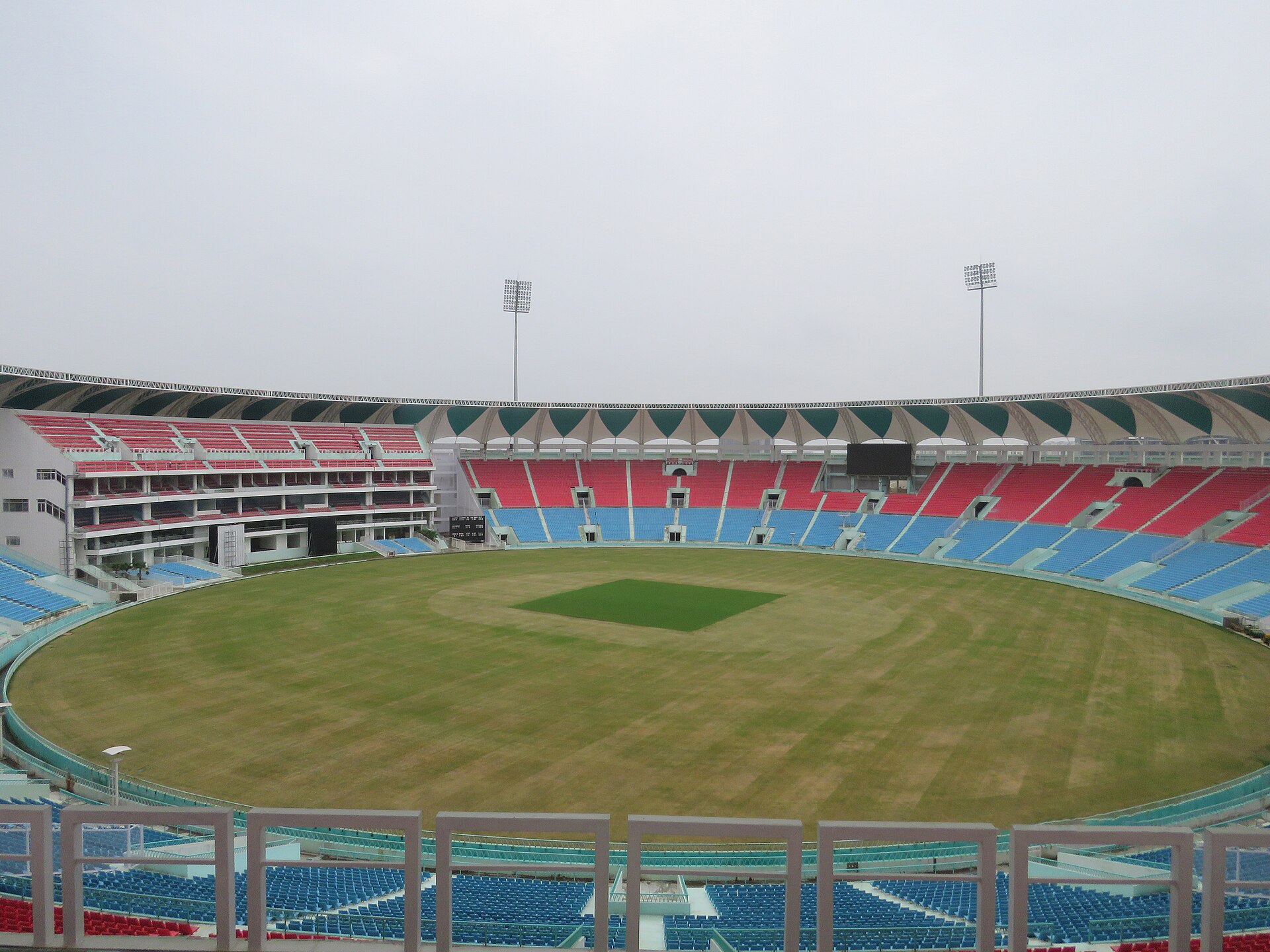
The action happens on a rectangular strip in the middle called the pitch, with a set of three stumps at each end. One bowler delivers the ball to a batter at the opposite end, who tries to hit it.
How runs are scored
When the batter hits the ball, the two batters can run between the stumps, and each completed run counts as one. If the ball reaches the boundary rope after touching the ground, it is a four. If it crosses the rope without bouncing, it is a six. There are also extras, such as wides and no-balls, which give runs to the batting side when the bowler errs.
How a batter gets out
There are several ways, but a few are most common.
- Bowled: the ball hits the stumps.
- Caught: a fielder catches the ball before it touches the ground.
- Leg before wicket (LBW): the ball hits the batter’s leg in line with the stumps, when it would have hit them otherwise.
- Run out: a fielder breaks the stumps before the batter reaches the crease.
- Stumped: the wicketkeeper breaks the stumps when the batter is out of the crease.
When a batter is out, a wicket is said to have fallen. A team is bowled out when ten wickets fall. The last batter has no partner, so the innings ends.
Overs, innings and formats
An over consists of six legal deliveries bowled by one bowler. Then another bowler takes over from the opposite end. An innings is one team’s turn to bat.
Cricket is played in different formats. A Test match lasts up to five days with two innings per side and is considered the traditional, patient form. A One Day International, or ODI, gives each team fifty overs. Twenty20, or T20, gives each side twenty overs and is fast and entertaining, usually finishing in about three hours. Each format has its own rhythm and its own fans.
Players and positions
The bowlers are broadly fast bowlers or spinners. Batters open the innings or come in later. The wicketkeeper stands behind the stumps. Other fielders take positions with names such as slip, point, mid-off and square leg, which describe where they stand relative to the batter. You do not need to memorise them on day one.
Watching your first match
Begin with a T20 game, since it is short and exciting. Keep an eye on the scoreboard: runs scored, wickets lost and overs bowled. In the second innings, watch the required run rate, which tells you how quickly the chasing team must score to win. Listen to commentary, as good commentators explain tactics and rules naturally.
Ask friends or family questions without fear. Most cricket fans love explaining the game, and you will probably get more than you bargained for.
Try playing
Playing is the quickest way to learn. A tennis ball, a plank for a bat and a few friends in a lane are enough. Set simple rules, such as one bounce one hand or a boundary on a wall. If playing with children, make sure everyone has space and that no one stands too close to the batter. For proper hard-ball cricket, protective gear such as helmets, pads and gloves matters.
Wrapping it up
Cricket asks for patience, but it pays back with drama, tactics and shared moments. Once you understand runs, wickets and overs, the rest comes from watching more. Soon you might find yourself shouting at the television as well, and everyone will welcome you.
Related reading: Running for Beginners: A Gentle First-Month Plan · Warm-Up Exercises Before Sports: A Simple Routine · Train Travel in India: A First-Timer's Practical Guide
Photo: Escpl, Wikimedia Commons (CC BY-SA 4.0)